This post contains affiliate links.
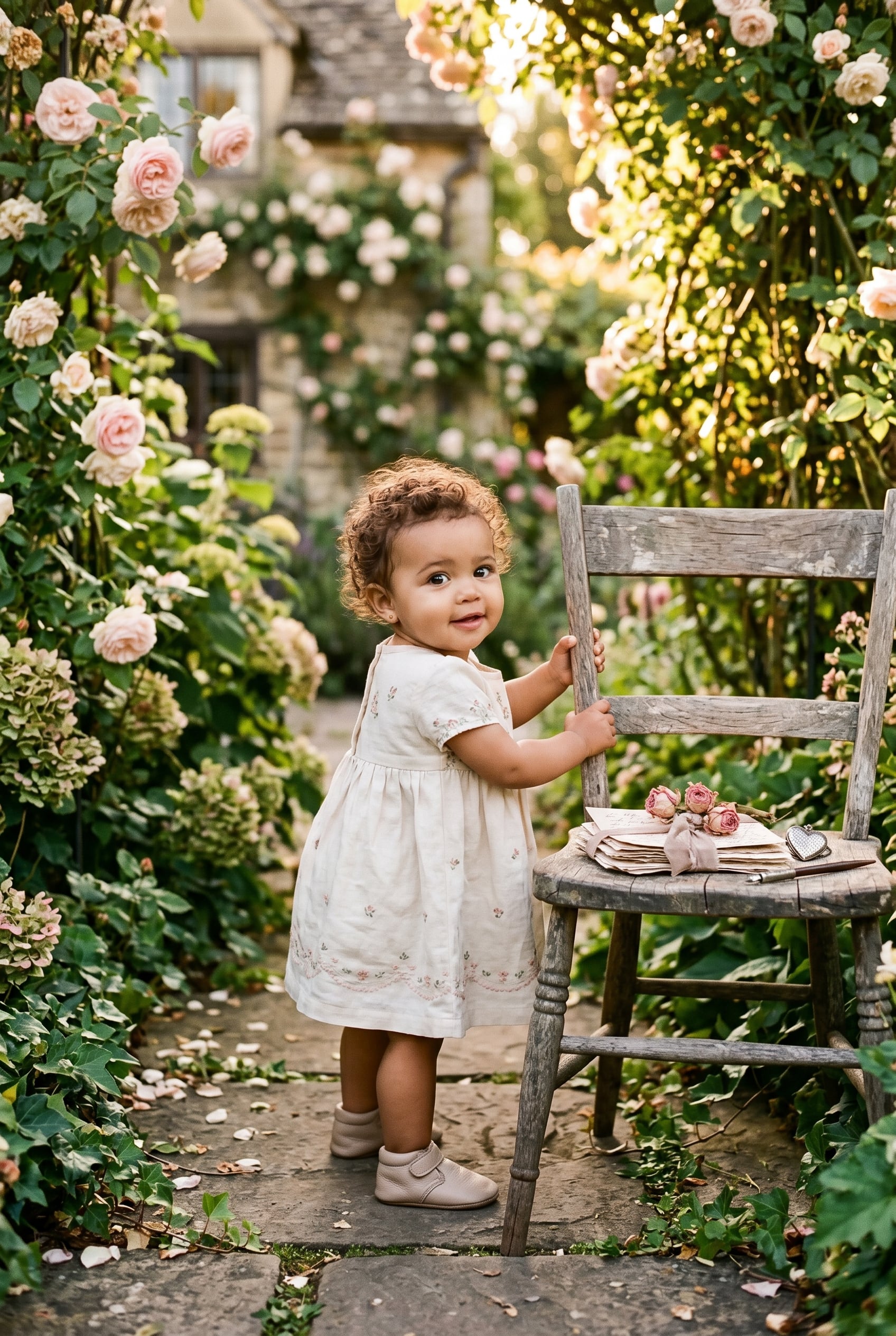
This list is all about names that feel like something you’d write by hand and seal with wax — full of longing, formality, and old-world softness. You’ll find French classics, vintage darlings, and picks pulled from flowers and moonlight, all carrying that same love-letter charm. Scroll through and see which one reads like a line you’d want to underline.
🔍 Curious how popular a name is?
Check any name's popularity trend since 1880 with our free Baby Name Popularity Checker.
Popularity below is calculated from Social Security Administration data through 2024, the most recent year on record.
Here’s what’s in store –

Romance Language Names (French, Italian, Spanish)
Victorian and Edwardian Romantic Names
Names From Love Stories and Literature
Botanical and Nature Names With a Romantic Air
If you’ve been scrolling Pinterest at midnight with a cup of tea getting cold beside you, mentally trying names against middle names and last names and hypothetical school roll calls, you’re in the right place. This list isn’t a grab-bag of every pretty name ever assembled. It’s organized by feeling — the texture of a name, what it evokes, the kind of story it seems to come from. Some sections lean classical and French, some lean vintage and candlelit, some lean straight into flowers and moonlight. You don’t have to love all of them to find the one.
One note before you dive in: romantic doesn’t mean fragile. Rosalind was a witty protagonist, not a wallflower. Valentina survived empires. Cecily argued her way through Oscar Wilde drawing rooms. The names on this list have weight and character behind the prettiness, and that matters.
Take your time. Read them aloud. Say them in the middle of a sentence, the way you’d use them a hundred times a day. The right one will land differently.
- Names That Sound Like Poetry
- Romance Language Names (French, Italian, Spanish)
- Victorian and Edwardian Romantic Names
- Names From Love Stories and Literature
- Botanical and Nature Names With a Romantic Air
- Names That Mean Love, Beauty, or Devotion
- Soft and Dreamy Sound Names
- Rare and Hidden Gem Romantic Names
Names That Sound Like Poetry
These are the names with natural rhythm built in — names that have the soft fall of a good line of verse. They tend to use liquid consonants (l, r, n, m) and open vowels, which is why they feel melodic rather than clipped. Say them slowly and you’ll hear it.
- Origin: Late Latin (name of early Christian martyrs), from biblical Hebrew seraphim
- Pronunciation: sair-ah-FEE-nah · ˌsɛrəˈfiːnə
- Meaning: of the seraphim, a class of biblical angels
- Popularity: #778 and rising (#971 → #778, 2024)
The name of angels, but also of Victorian heroines — it’s dramatic in the best way.
- Origin: Unknown
- Pronunciation: air-ah-MIN-tah · ˌɛrəˈmɪntə
- Meaning: possibly a literary invention, later used as a given name in England
- Popularity: #8,975 and rising (#9,678 → #8,975, 2024)
Long and layered, with a charming antique quality that’s due for a comeback.
- Origin: Germanic
- Pronunciation: RAH-zuh-lind · ˈrɑːzəlɪnd
- Meaning: from elements meaning roughly ‘horse’ and ‘soft/tender’ — something like ‘gentle horse’
- Popularity: #1,475 and falling (#1,440 → #1,475, 2024)
Shakespeare gave it to one of his sharpest heroines; the name kept every bit of her wit.
- Origin: Cornish
- Pronunciation: EL-oh-wen · ˈɛloʊwɛn
- Meaning: elm tree
- Popularity: #898 and rising (#1,060 → #898, 2024)
Rare enough to feel like a discovery, soft enough to feel romantic, earthy enough not to float away.
- Origin: Greek (place name)
- Pronunciation: THESS-uh-lee · ˈθɛsəli
- Meaning: a region of Greece associated with magic and mythology
- Popularity: Not in the U.S. Social Security rankings
Literary and unusual, with the rolling rhythm of a place name that sounds like it belongs in a novel.
- Origin: Greek
- Pronunciation: kuh-LY-uh-pee · kəˈlaɪəpi
- Meaning: beautiful voice
- Popularity: #499 and falling (#491 → #499, 2024)
The muse of epic poetry; a name that literally means what it sounds like.
- Origin: French (variant of Isabelle)
- Pronunciation: iz-ah-BOH
- Meaning: pledged to God
- Popularity: #11,464 and rising (#14,088 → #11,464, 2024)
Less common than Isabella but equally beautiful, with a slightly wilder quality.
- Origin: Ancient Greek
- Pronunciation: kuh-RIN-uh · kəˈrɪnə
- Meaning: Greek for ‘girl’ or ‘maiden’ (from kore), a name popularized partly through the ancient Greek poet Corinna and Ovid’s use of it in the Amores
- Popularity: #3,972 and falling (#3,716 → #3,972, 2024)
- Origin: Greek (via Latin Sophronius)
- Pronunciation: soh-FROH-nee-uh · səˈfroʊniə
- Meaning: self-controlled, level-headed
- Popularity: #17,289 as of 2023 — not currently in the U.S. Social Security rankings
Sounds wildly romantic despite its serious meaning — proof that sound carries its own weight.
- Origin: Scottish (variant of Elizabeth, ultimately Hebrew)
- Pronunciation: EL-speth · ˈɛlspəθ
- Meaning: God is my oath (via Elizabeth, from Hebrew Elisheva)
- Popularity: #6,215 and rising (#8,614 → #6,215, 2024)
Quietly beautiful, a little rugged, Scottish in the best highland-novel way.
- Origin: Greek
- Pronunciation: thes-uh-luh-NY-kuh · ˌθɛsələˈnaɪkə
- Meaning: Thessalian victory
- Popularity: Not in the U.S. Social Security rankings
Grand and unusual; carries the weight of ancient cities.
- Origin: Latin
- Pronunciation: SEL-es-teen · ˈsɛləstiːn
- Meaning: heavenly, of the sky
- Popularity: #3,968 and rising (#4,896 → #3,968, 2024)
A papal name and a feminine name with enough celestial warmth to feel romantic rather than cold.
- Origin: Latin
- Pronunciation: VER-ih-tee · ˈvɛrəti
- Meaning: truth (a Puritan virtue name)
- Popularity: #1,875 and falling (#1,706 → #1,875, 2024)
A virtue name with a musical quality — the -ity ending gives it a gentleness that Justice and Honor don’t quite have.
- Origin: Cornish/Welsh
- Pronunciation: mor-WEN-uh · mɔːrˈwɛnə
- Meaning: maiden (from Cornish/Welsh morwyn)
- Popularity: Not in the U.S. Social Security rankings
Rare outside Wales, melodic and ancient, the kind of name that sounds like it came from a folk song.
- Origin: Greek (literary coinage)
- Pronunciation: ee-VAN-jeh-leen · ɪˈvændʒəliːn
- Meaning: good news
- Popularity: #174 and rising (#212 → #174, 2024)
Longfellow turned this into one of the great romantic poems; the name still carries that legacy.
- Origin: Germanic or Celtic/Brythonic (disputed)
- Pronunciation: ih-ZOHL-dah · ɪˈzoʊldə
- Meaning: uncertain — literally ‘ice’ + ‘battle’ in the Germanic reading, or ‘she who is gazed upon’ in the Celtic/Brythonic reading
- Popularity: #7,721 and falling (#5,458 → #7,721, 2024)
The Germanic elements are literally ‘ice’ (is) and ‘battle’ (hiltja), not ‘ruler’ — ‘ice ruler’ is a popular mistranslation, and a separate Celtic theory (‘she who is gazed upon’) is equally plausible per current scholarship.
- Origin: Ancient Greek
- Pronunciation: am-ah-RIL-iss · ˌæməˈrɪlɪs
- Meaning: to sparkle or shine
- Popularity: #2,689 and falling (#2,442 → #2,689, 2024)
Spenser and Virgil used it for their shepherdesses; it’s been quietly beautiful ever since.
- Origin: Irish
- Pronunciation: SEER-shah · ˈsɪərʃə
- Meaning: freedom
- Popularity: #1,036 and falling (#959 → #1,036, 2024)
The sound of it is pure poetry even before you know what it means.
- Origin: Greek
- Pronunciation: eye-AN-thee · aɪˈænθi
- Meaning: violet flower
- Popularity: Not in the U.S. Social Security rankings
Percy Bysshe Shelley used it as a dedication name; it has that quiet jewel quality.
- Origin: uncertain (possibly Germanic, via Old French)
- Pronunciation: mel-i-ZAHND · ˌmɛlɪˈzɑːnd
- Meaning: possibly “strong worker” (Germanic) or a variant of Millicent
- Popularity: Not in the U.S. Social Security rankings
The operatic heroine Mélisande is mysterious, gentle, and otherworldly — the name fits.
- Origin: Greek
- Pronunciation: kuh-LAN-thee · kəˈlænθi
- Meaning: beautiful flower (tentative)
- Popularity: Not in the U.S. Social Security rankings
An orchid genus and a rare given name, elegant and almost forgotten.
- Origin: Greek (mythological name)
- Pronunciation: eh-LAR-ah · ɛˈlɑːrə
- Meaning: one of Jupiter’s moons, from Greek mythology
- Popularity: #1,156 and rising (#1,381 → #1,156, 2024)
Modern but mythological, with a clean softness.
- Origin: Italian (word/opera title, not a traditional name)
- Pronunciation: sohn-NAHM-boo-lah · sɒnˈnɑːmbʊlə
- Meaning: sleepwalker
- Popularity: Not in the U.S. Social Security rankings
Unusual to the point of boldness, but for a certain kind of parent, exactly right.
- Origin: Greek
- Pronunciation: al-uh-THEE-uh · ælɪˈθiːə
- Meaning: Represents ‘truth’ — tied to Aletheia, the personification of truth in ancient Greek thought.
- Popularity: #2,649 and falling (#2,414 → #2,649, 2024)
More lyrical than Alethia; the -ea ending gives it a finishing breath.
- Origin: Germanic (Frankish/Lombardic)
- Pronunciation: ROZ-ah-mund · ˈrɑːzəmənd
- Meaning: horse protection (folk-reinterpreted as ‘rose of the world’)
- Popularity: #7,858 and falling (#6,353 → #7,858, 2024)
Medieval, botanical, romantic — three things at once.
Romance Language Names (French, Italian, Spanish)
French, Italian, and Spanish names carry a built-in romanticism — not because of cliché, but because these languages evolved from Latin with an ear for vowel flow and soft consonants. A name in any of these languages has been worn smooth by centuries of love letters, opera libretti, and poems written by firelight.
- Origin: French (from Germanic Amalia)
- Pronunciation: ah-may-LEE · ɑːmeɪˈliː
- Meaning: industrious/hardworking (traditional gloss for Amalia, the precise Germanic root is debated)
- Popularity: Not in the U.S. Social Security rankings
The film gave it a whimsical, Paris-apartment-window quality that it will wear for generations.
- Origin: Latin
- Pronunciation: val-en-TEE-nah · vælənˈtiːnə
- Meaning: strong, healthy
- Popularity: #47 and rising (#49 → #47, 2024)
The most unabashedly romantic name on any list; it contains the word love without needing to say it.
- Origin: French (from Latin caelestis)
- Pronunciation: suh-LEST · səˈlɛst
- Meaning: heavenly, of the sky
- Popularity: Not in the U.S. Social Security rankings
Lighter and airier than Celestine, with the same celestial meaning but a softer silhouette.
- Origin: Italian (feminine form of Rosario, from Latin rosarium)
- Pronunciation: roh-ZAH-ree-uh · roʊˈzɑːriə
- Meaning: rosary / rose garden (feminine form of Rosario)
- Popularity: #5,103 and rising (#5,518 → #5,103, 2024)
Used throughout Southern Italy and Latin America; unexpectedly rare in English-speaking countries.
- Origin: Spanish
- Pronunciation: mah-ree-SOL · mɑːriˈsoʊl
- Meaning: popularly ‘sea and sun’; possibly from Maria de la Soledad
- Popularity: #739 and rising (#784 → #739, 2024)
- Origin: Latin (via Old French, variant of Vivian)
- Pronunciation: VIV-ee-en · ˈvɪviɛn
- Meaning: living, full of life
- Popularity: #184 and rising (#235 → #184, 2024)
Worn by Merlin’s fairy and Vivien Leigh; elegant and a bit dangerous.
- Origin: French
- Pronunciation: FLUR · ˈflɜːr
- Meaning: The French word for “flower,” used directly as a feminine given name.
- Popularity: #8,592 and rising (#10,581 → #8,592, 2024)
Perfectly spare, romantic without effort, unmistakably French.
- Origin: Spanish (form of Catherine/Katherine)
- Pronunciation: kat-uh-LEE-nuh · ˌkætəˈliːnə
- Meaning: “pure”
- Popularity: #128 and rising (#147 → #128, 2024)
Catherine is stately; Catalina is sun-drenched and slightly wild.
- Origin: French
- Pronunciation: aw-ROR · ɔːˈrɔːr
- Meaning: dawn
- Popularity: #15,607 as of 2022 — not currently in the U.S. Social Security rankings
- Origin: Italian
- Pronunciation: bee-AHN-kuh · biˈɑːŋkə
- Meaning: white, pure
- Popularity: #460 and rising (#467 → #460, 2024)
Shakespeare used it twice; it’s been a name for luminous women ever since.
- Origin: French (from Latin sollemnis, ‘solemn’); name of a 9th-century French saint
- Pronunciation: soh-LAHNZH · soʊˈlɑːnʒ
- Meaning: solemn
- Popularity: #7,192 and falling (#5,926 → #7,192, 2024)
Beyoncé’s sister made it visible; it’s an unusual romantic name with real backbone.
- Origin: French
- Pronunciation: mar-GOH · mɑːrˈɡoʊ
- Meaning: French variant of Margaret; ‘pearl’
- Popularity: #1,211 and rising (#1,217 → #1,211, 2024)
The -aux ending is very French; a wine and a name both worth knowing.
- Origin: Italian (from Latin ‘flamma’)
- Pronunciation: FYAHM-mah · ˈfjam.ma
- Meaning: flame
- Popularity: Not in the U.S. Social Security rankings
For the girl who will burn brightly — rare in English but instantly comprehensible.
- Origin: Spanish (diminutive of Inés)
- Pronunciation: ee-neh-SEE-tah · ineˈsita
- Meaning: little Inés (pure/chaste, via Agnes)
- Popularity: Not in the U.S. Social Security rankings
Inés is already lovely; Inesita has the softness of a nickname worn long enough to become a name.
- Origin: Greek (via French)
- Pronunciation: THEE-oh-dor · ˈθiːədɔːr
- Meaning: gift of God
- Popularity: Not in the U.S. Social Security rankings
- Origin: Frankish/Gaulish (French)
- Pronunciation: JEN-eh-veev · ˈdʒɛnəviːv
- Meaning: possibly ‘woman of the family/tribe’ (uncertain)
- Popularity: Not in the U.S. Social Security rankings
The patron saint of Paris; stately and romantic simultaneously.
- Origin: Hebrew (via French, form of Elizabeth)
- Meaning: God is my oath (form of Elizabeth)
- Popularity: Not in the U.S. Social Security rankings
Beethoven wrote for her; the name has been quietly music ever since.
- Origin: Spanish (from the French place name)
- Pronunciation: LOOR-dez · ˈlʊrdɛz
- Meaning: a place name from the French Pyrenees
- Popularity: #2,754 and falling (#2,455 → #2,754, 2024)
Unusual, deeply felt, with a spiritual weight that isn’t heavy.
- Origin: French/Provençal (form of Anna)
- Pronunciation: ah-nah-EES · ɑːnɑːˈiːs
- Meaning: grace, favor
- Popularity: #854 and falling (#849 → #854, 2024)
Anaïs Nin gave it a literary reputation that still holds.
- Origin: Spanish/Basque (origin uncertain)
- Pronunciation: hee-MAY-nah · hiˈmeɪnə
- Meaning: “hearkening”
- Popularity: #173 and falling (#158 → #173, 2024)
The heroine of El Cid; a name with genuine historical romance behind it.
- Origin: French (feminine form of Fabien)
- Pronunciation: fah-bee-EN · faˈbjɛn
- Meaning: possibly “bean” (via the Roman clan name Fabius, traditionally linked to Latin faba)
- Popularity: #13,939 as of 2010 — not currently in the U.S. Social Security rankings
The meaning is wonderfully unglamorous; the name itself is effortlessly chic.
- Origin: Italian (feminine of Lucius)
- Pronunciation: loo-see-AH-nuh · luːsiˈɑːnə
- Meaning: light
- Popularity: #291 and rising (#329 → #291, 2024)
Fuller and warmer than Lucia; it feels like late afternoon sun.
- Origin: French (elaboration of Coralie/Coral, literary coinage)
- Pronunciation: KOR-uh-lyne · ˈkɔːrəlaɪn
- Meaning: little coral / an elaboration of Coral
- Popularity: #720 and falling (#719 → #720, 2024)
Delicately eerie and romantic.
- Origin: Latin (French-spelled variant of Sylvia)
- Pronunciation: SIHL-vee · ˈsɪlvi
- Meaning: of the forest
- Popularity: #6,583 and rising (#8,899 → #6,583, 2024)
Lighter than Sylvia, with a French shrug that makes it feel very cool.
- Origin: French (Germanic, form of Matilda)
- Pronunciation: mah-TEELD · mɑˈtiːld
- Meaning: mighty in battle
- Popularity: #7,806 and falling (#4,826 → #7,806, 2024)
- Origin: French
- Pronunciation: ROHZ-leen · ˈroʊzliːn
- Meaning: ‘rose’ (the flower) plus the common French feminine name-suffix ‘-line’ (as in Caroline, Adeline)
- Popularity: #4,851 and falling (#4,344 → #4,851, 2024)
A saint’s name and a Juliet character’s name; less used than Rosalind but equally beautiful.
- Origin: Spanish
- Pronunciation: soh-leh-DAHD · soʊləˈdɑːd
- Meaning: solitude
- Popularity: #4,356 and rising (#5,106 → #4,356, 2024)
A name for the quality of beautiful loneliness; deeply romantic in the Spanish tradition.
- Origin: French
- Pronunciation: vee-oh-LET · viːoʊˈlɛt
- Meaning: violet (the flower)
- Popularity: #964 and rising (#983 → #964, 2024)
- Origin: French (from Spanish Inés)
- Pronunciation: ee-NESS · iˈnɛs
- Meaning: pure, holy — via Spanish Inés, ultimately from the Greek word for ‘pure’ through Agnes
- Popularity: Not in the U.S. Social Security rankings
Elegant, simple, and slightly mysterious — it belongs in a Paris apartment.
- Origin: French
- Pronunciation: BLANCH · ˈblæntʃ
- Meaning: white or pale — likely originally a descriptive nickname for someone fair-skinned or fair-haired
- Popularity: #11,242 and falling (#10,439 → #11,242, 2024)
A Tennessee Williams name and a medieval queen’s name; old enough to be new again.
Victorian and Edwardian Romantic Names
The Victorians and Edwardians understood romantic names the way they understood romantic novels: with full commitment and absolutely no irony. These names were written into wills, embroidered on handkerchiefs, and carved into churchyard stones. They’ve been quiet for a hundred years. They’re ready.
- Origin: Latin (disputed, possibly a variant of Annabel)
- Pronunciation: air-ah-BEL-ah · ɛrəˈbɛlə
- Meaning: yielding to prayer (one of two competing theories)
- Popularity: #206 and rising (#227 → #206, 2024)
Victorian without being stiff; it has a natural elegance that wears well across centuries.
- Origin: Latin (place name Lavinium, Latium)
- Pronunciation: luh-VIN-ee-ah · ləˈvɪniə
- Meaning: “woman of Latium”
- Popularity: #2,139 and rising (#2,346 → #2,139, 2024)
- Origin: French (from Latin Clemens)
- Pronunciation: KLEM-en-teen · ˈklɛmənˌtiːn
- Meaning: merciful, mild
- Popularity: #477 and rising (#542 → #477, 2024)
Churchill named his daughter this; it was the romantic standard of a whole era.
- Origin: uncertain (Shakespeare’s spelling of a historical British name, Cordeilla, possibly linked to the obscure saint’s name Cordula)
- Pronunciation: kor-DEEL-yah · kɔːrˈdiːljə
- Meaning: possibly “heart” or “daughter of the sea”
- Popularity: #1,065 and rising (#1,117 → #1,065, 2024)
Shakespeare gave King Lear his most loyal daughter this name; it’s been quietly noble ever since.
- Origin: Germanic (via Old French Melisende)
- Pronunciation: MIL-ih-sent · ˈmɪlɪsənt
- Meaning: strong worker
- Popularity: #1,639 and rising (#1,789 → #1,639, 2024)
The feminist leader Millicent Fawcett; the name has both romance and spine.
- Origin: Old English / Welsh (conflated names)
- Pronunciation: WIN-ih-fred · ˈwɪnɪfrɪd
- Meaning: joy and peace (Old English), merged with the separate Welsh name Gwenfrewi
- Popularity: #1,031 and falling (#963 → #1,031, 2024)
The Victorian revival version was sometimes shortened to Freddie, which is charming; Winnie is warmly familiar.
- Origin: Latin
- Pronunciation: hoh-NOR-ee-uh · hɒˈnɔːriə
- Meaning: honor
- Popularity: Not in the U.S. Social Security rankings
A less common feminine form; the Edwardians loved virtue names with long vowels.
- Origin: Greek
- Pronunciation: dor-uh-THEE-uh · ˌdɔːrəˈθiːə
- Meaning: gift of God
- Popularity: #2,066 and rising (#2,759 → #2,066, 2024)
- Origin: English (from Latin amabilis via Amabel)
- Pronunciation: MAY-bel · ˈmeɪbəl
- Meaning: lovable
- Popularity: #222 and rising (#278 → #222, 2024)
Antique, warm, and now distinctly fashionable among parents who love vintage names.
- Origin: uncertain (probably Gaelic, via a misprint of ‘Innogen’)
- Pronunciation: IM-oh-jeen · ˈɪməˌdʒiːn
- Meaning: uncertain; possibly from Gaelic ‘inghean’ (girl) via a misprint of ‘Innogen’
- Popularity: #2,464 and rising (#2,911 → #2,464, 2024)
- Origin: Greek
- Pronunciation: yoo-JEE-nee-ah · juːˈdʒiːniə
- Meaning: well-born, noble
- Popularity: #3,762 and falling (#2,858 → #3,762, 2024)
A Victorian royal name; Queen Eugénie of France made it fashionable across Europe.
- Origin: Greek
- Pronunciation: thee-oh-DOR-ah · ˌθiːəˈdɔːrə
- Meaning: God’s gift
- Popularity: #812 and falling (#776 → #812, 2024)
The Byzantine empress and the fictional daughter of several novels; it’s grand and unexpectedly wearable.
- Origin: Latin (English medieval form of Cecilia)
- Pronunciation: SES-il-ee · ˈsɛsɪli
- Meaning: possibly ‘blind’ (inherited from Cecilia)
- Popularity: #1,595 and rising (#1,816 → #1,595, 2024)
The meaning has never mattered less.
- Origin: Germanic
- Pronunciation: EYE-dah · ˈaɪdə
- Meaning: from a Germanic word for ‘work’; industrious
- Popularity: #1,143 and rising (#1,189 → #1,143, 2024)
Small and strong; it was very fashionable in the 1880s and is finding its way back.
- Origin: Germanic (Old High German, via French)
- Pronunciation: AD-el-ayd · ˈædəleɪd
- Meaning: of noble character
- Popularity: #271 and rising (#284 → #271, 2024)
The queen consort of William IV; now the name of an Australian city and of many beloved grandmothers.
- Origin: English/German (diminutive suffix name)
- Pronunciation: ET-ah · ˈɛtə
- Meaning: ruler of the home (inherited sense, from Henrietta)
- Popularity: #973 and falling (#935 → #973, 2024)
Etta James gave it soul; as a standalone it’s crisp and romantic.
- Origin: Ancient Greek (feminine form related to Hermes)
- Pronunciation: her-MY-uh-nee · hərˈmaɪəni
- Meaning: “messenger”
- Popularity: #1,672 and rising (#1,949 → #1,672, 2024)
- Origin: Latin
- Pronunciation: KAHN-stanss · ˈkɑːnstəns
- Meaning: steadfast, constant
- Popularity: #1,645 and rising (#1,656 → #1,645, 2024)
- Origin: Latin
- Pronunciation: BEE-uh-tris · ˈbiːətrɪs
- Meaning: one who brings happiness (also glossed “blessed one”)
- Popularity: #579 and rising (#588 → #579, 2024)
Dante wrote the Commedia for Beatrice Portinari; Shakespeare gave her the best lines in *Much Ado*. The name is the most romantic in Western literature.
- Origin: Old English
- Pronunciation: EE-dith · ˈiːdɪθ
- Meaning: rich/blessed in war
- Popularity: #528 and falling (#503 → #528, 2024)
Small, complete, and antique; Edith Piaf, Edith Wharton — women who shaped their century.
- Origin: Latin
- Pronunciation: FLOR-ens · ˈflɔːrəns
- Meaning: flourishing, blooming (from florens, related to flos ‘flower’)
- Popularity: #435 and rising (#522 → #435, 2024)
The city, the nurse, the name; it carries warmth and purpose simultaneously.
- Origin: English (from French Henriette, feminine of Henri/Henry)
- Pronunciation: HAIR-ee-ut · ˈhæriət
- Meaning: home ruler, ruler of the household
- Popularity: #1,157 and falling (#1,130 → #1,157, 2024)
Harriet Beecher Stowe, Harriet Tubman — a name with moral clarity and warmth.
- Origin: Latin
- Pronunciation: lə-TISH-ə · ləˈtɪʃə
- Meaning: gladness, joy
- Popularity: #12,852 and rising (#16,667 → #12,852, 2024)
A Victorian formal name; Lettice and Letty were the fond shortenings.
- Origin: Greek
- Pronunciation: AG-uh-thuh · ˈæɡəθə
- Meaning: good (from Greek agathos ‘good’)
- Popularity: #1,618 and rising (#1,670 → #1,618, 2024)
Dame Agatha Christie turned it into a mystery-writer’s name; it’s vintage and sharp.
- Origin: Latin
- Pronunciation: aw-GUS-tuh · ɔːˈɡʌstə
- Meaning: venerable, majestic (feminine form of Augustus)
- Popularity: #3,076 and rising (#3,917 → #3,076, 2024)
- Origin: Greek (variant of Isidora)
- Pronunciation: iz-uh-DOR-uh · ɪzəˈdɔːrə
- Meaning: gift of the goddess Isis
- Popularity: #1,223 and rising (#1,438 → #1,223, 2024)
Isadora Duncan made it a dancer’s name; it’s passionate and slightly wild.
- Origin: Germanic (Latinized form of Louise)
- Pronunciation: loo-EE-zah · luːˈiːzə
- Meaning: famous warrior
- Popularity: #733 and rising (#807 → #733, 2024)
Louisa May Alcott wrote herself into this name; it’s warm, literary, and lovely.
Names From Love Stories and Literature
Some names carry an entire story inside them — you say the name and the love story arrives with it. These names come from novels, poems, operas, plays, and myths that have shaped what we understand romantic love to mean. You don’t have to have read all of them for the names to work.
- Origin: English (from Italian Giulietta/French Juliette, ultimately Latin Julia)
- Pronunciation: JOO-lee-et · ˈdʒuːliɛt
- Meaning: youthful
- Popularity: #283 and rising (#292 → #283, 2024)
Shakespeare’s most famous heroine; the name contains all of it — the balcony, the garden, the tragedy.
- Origin: Hebrew (via Old French Jehanne, Latin Johanna)
- Pronunciation: JAYN · ˈdʒeɪn
- Meaning: God is gracious
- Popularity: #269 and rising (#281 → #269, 2024)
Jane Eyre is one of the great romantic heroines because she refuses to be less than she is; the name is perfectly direct.
- Origin: English (pet form)
- Pronunciation: KATH-ee · ˈkæθi
- Meaning: affectionate short form of Catherine
- Popularity: #5,968 and falling (#5,153 → #5,968, 2024)
Wuthering Heights — Cathy Earnshaw is the romantic ideal and the cautionary tale at once.
- Origin: French/Germanic (disputed)
- Pronunciation: HEL-oh-eez · ˈhɛloʊiːz
- Meaning: disputed: possibly ‘the chosen one’ (via St. Eligius) or ‘holy/whole’ plus ‘wood’ (Germanic)
- Popularity: #11,444 and falling (#7,388 → #11,444, 2024)
Héloïse and Abélard wrote one of the great real-life love stories; the name is rare and beautiful.
- Origin: Persian
- Pronunciation: shuh-HAIR-uh-zahd · ʃəˌhɛərəˈzɑːd
- Meaning: of noble lineage, or child of the city (two competing derivations)
- Popularity: Not in the U.S. Social Security rankings
- Origin: Russian (pet form of Larissa)
- Pronunciation: LAHR-ah · ˈlɑːrə
- Meaning: pet form of Larissa, ultimately from a Greek place name meaning ‘citadel/fortress’
- Popularity: #740 and falling (#731 → #740, 2024)
The film’s theme alone made this name romantic forever.
- Origin: French (from Old German Helewidis, via medieval Latin/French forms, doublet of Héloïse)
- Pronunciation: EL-oh-eez · ˈɛloʊiːz
- Meaning: healthy and wide/broad (from Germanic Helewidis)
- Popularity: #64 and rising (#81 → #64, 2024)
The girl who lived at the Plaza and the medieval scholar’s beloved; two very different romantic archetypes.
- Origin: Welsh (via Gwenhwyfar)
- Pronunciation: GWIN-eh-veer · ˈɡwɪnəvɪr
- Meaning: white/fair + a debated second element (‘phantom’ or ‘smooth’)
- Popularity: #947 and rising (#1,009 → #947, 2024)
The Arthurian queen; her story is love at the highest cost.
- Origin: Greek (via medieval literary tradition)
- Pronunciation: KRESS-ih-dah · ˈkrɛsɪdə
- Meaning: golden
- Popularity: #12,408 and falling (#10,569 → #12,408, 2024)
Shakespeare’s *Troilus and Cressida*; a name that belongs to the classical world and to the stage.
- Origin: Greek
- Pronunciation: an-DROM-uh-duh · ænˈdrɒmɪdə
- Meaning: ruler of men (Greek mythological name)
- Popularity: #2,300 and rising (#2,397 → #2,300, 2024)
- Origin: Ancient Greek (via Latin)
- Pronunciation: LY-rah · ˈlaɪrə
- Meaning: a lyre, the stringed musical instrument
- Popularity: #482, holding steady (2024)
Philip Pullman’s *His Dark Materials* heroine; the name is mythological and modern at once.
- Origin: Old French/Old Occitan (variant of Eleanor)
- Pronunciation: EL-in-or · ˈɛl.ɪ.nɔːr
- Meaning: a form of Eleanor, most plausibly meaning ‘the other Aenor’ (rather than literally ‘shining light’)
- Popularity: #1,502 and falling (#1,374 → #1,502, 2024)
Elinor Dashwood is the romantic realist; the name has both warmth and precision.
- Origin: French (ultimately from Hebrew via Greek)
- Pronunciation: mair-ee-AN · ˌmɛəriˈæn
- Meaning: “bitter grace”
- Popularity: #2,122 and falling (#1,913 → #2,122, 2024)
The passionate Dashwood sister in *Sense and Sensibility*; a name for feeling things fully.
- Origin: uncertain (typically a diminutive of Theresa/Tessa, sometimes of Esther/Hester)
- Pronunciation: TESS · tɛs
- Meaning: short form of Theresa, meaning “harvester”
- Popularity: #1,784 and falling (#1,760 → #1,784, 2024)
Hardy’s Tess of the d’Urbervilles — a name worn with tragedy and beauty simultaneously.
- Origin: Spanish/Portuguese
- Pronunciation: ez-mur-AL-duh · ˌɛzməˈrældə
- Meaning: emerald
- Popularity: #350 and falling (#342 → #350, 2024)
- Origin: Old Persian (via Greek and French)
- Pronunciation: rahk-SAN · rɒkˈsæn
- Meaning: bright, shining light
- Popularity: #14,834 as of 2023 — not currently in the U.S. Social Security rankings
Cyrano de Bergerac’s beloved; the name is eastern, poetic, and carried one of literature’s great love letters.
- Origin: Old English (literary coinage, popularized by J.R.R. Tolkien)
- Pronunciation: AY-oh-win · ˈeɪoʊwɪn
- Meaning: Old English construction, “horse joy.” Tolkien’s most romantically brave character; a name for a daughter who will fight her own battles
- Popularity: #1,880 and falling (#1,785 → #1,880, 2024)
- Origin: Latin
- Pronunciation: vy-OH-lah · vaɪˈoʊlə
- Meaning: violet (the flower)
- Popularity: #1,190 and falling (#1,072 → #1,190, 2024)
The heroine of *Twelfth Night* who disguises herself for love; the name is musical and Shakespearean.
- Origin: Latin
- Pronunciation: PER-dih-tuh · ˈpɜːrdɪtə
- Meaning: lost
- Popularity: Not in the U.S. Social Security rankings
- Origin: Latin
- Pronunciation: mi-RAN-duh · mɪˈrændə
- Meaning: one worthy of being admired
- Popularity: #622 and falling (#575 → #622, 2024)
Shakespeare coined it for *The Tempest*; it became a real name and has been admired ever since.
- Origin: Latin (Roman gens name)
- Pronunciation: POR-shuh · ˈpɔːrʃə
- Meaning: from the Roman family name Porcius, ultimately ‘pig’
- Popularity: #6,087 and rising (#7,554 → #6,087, 2024)
The lawyer heroine of *The Merchant of Venice*, one of Shakespeare’s greatest women.
- Origin: Greek (Latinized form of Helen)
- Pronunciation: HEL-uh-nah · ˈhɛlənə
- Meaning: “torch” or “bright”
- Popularity: #414 and rising (#457 → #414, 2024)
Helen of Troy in her Latin form; a name that launched the original romantic disaster.
- Origin: Italian (from Latin rosa + alba)
- Pronunciation: roh-ZAHL-buh · roʊˈzɑːlbə
- Meaning: white rose
- Popularity: #14,882 and falling (#10,991 → #14,882, 2024)
The eighteenth-century Italian painter Rosalba Carriera; a name that’s rare in English and immediately beautiful.
- Origin: Germanic (via Old French)
- Pronunciation: uh-DEL · əˈdɛl
- Meaning: noble (from Germanic adal ‘noble’); short form related to names like Adelaide/Adeline
- Popularity: Not in the U.S. Social Security rankings
Both a Brontë character and a modern pop star; the name crosses centuries without effort.
Botanical and Nature Names With a Romantic Air
Flowers and plants have been romantic symbols since before language was written down. A botanical name is a name that comes with a ready-made aesthetic — there’s a reason every love letter has historically mentioned a garden. These names are grounded in the natural world but carry a softness that feels genuinely romantic rather than rustic.
Covered above, but worth a second appearance in this section — the rose is built into the name.
- Origin: English (19th-century flower name, ultimately from Latin viola via French violette)
- Pronunciation: VY-oh-let · ˈvaɪəlɪt
- Meaning: the violet flower (purple-blue)
- Popularity: #15 and rising (#16 → #15, 2024)
- Origin: English
- Pronunciation: LIL-ee · ˈlɪli
- Meaning: the lily flower
- Popularity: #24 and falling (#20 → #24, 2024)
Simple, clean, and beautiful; lily has symbolized purity and love simultaneously for centuries.
- Origin: Swedish (via surname Dahl)
- Pronunciation: DAHL-yah · ˈdɑːljə
- Meaning: named for botanist Anders Dahl
- Popularity: #240 and rising (#253 → #240, 2024)
Darker petals, more dramatic than a daisy; the name has a femme fatale quality.
- Origin: Greek
- Pronunciation: EYE-ris · ˈaɪrɪs
- Meaning: rainbow; also the name of the Greek goddess/messenger of the rainbow, and the flower named after her
- Popularity: #71 and rising (#78 → #71, 2024)
- Origin: Latin
- Pronunciation: FLOR-ah · ˈflɔːrə
- Meaning: Flower; from Latin flos/floris, and the name of the Roman goddess of flowers, blooming, and springtime.
- Popularity: #648 and rising (#682 → #648, 2024)
- Origin: Old French / Latin
- Pronunciation: LAV-en-der · ˈlævəndər
- Meaning: the lavender plant
- Popularity: #998 and rising (#1,179 → #998, 2024)
A color name and a plant name; rare as a given name but immediately evocative.
- Origin: English
- Pronunciation: JOO-nih-per · ˈdʒuːnɪpər
- Meaning: the juniper tree/shrub; occasionally a folk-etymology variant of Jennifer (from Welsh Guinevere)
- Popularity: #111 and rising (#113 → #111, 2024)
Earthy and fresh; Juni is a natural short form; Juniper is having a moment.
- Origin: Latin (botanical name)
- Pronunciation: kuh-MEEL-yah · kəˈmiːljə
- Meaning: the camellia flower, named for the Jesuit botanist Georg Joseph Kamel
- Popularity: #1,539 and rising (#1,726 → #1,539, 2024)
The flower Coco Chanel made her symbol; the name is elegant and rare.
- Origin: English (Middle English)
- Pronunciation: BRY-er · ˈbraɪər
- Meaning: thorny shrub or bramble
- Popularity: #522 and rising (#549 → #522, 2024)
- Origin: English (nature name)
- Pronunciation: FURN · ˈfɜːrn
- Meaning: the fern plant
- Popularity: #1,261 and rising (#1,428 → #1,261, 2024)
Small and complete; it’s unpretentious and quietly lovely.
- Origin: Greek
- Pronunciation: uh-KAY-shuh · əˈkeɪʃə
- Meaning: a thorny flowering tree
- Popularity: #2,711 and rising (#2,850 → #2,711, 2024)
The flower of remembrance in several traditions; rare and beautiful as a name.
- Origin: English (from the plant name, ultimately Greek via Latin)
- Pronunciation: BRY-uh-nee · ˈbraɪəni
- Meaning: named after the bryony plant, a flowering climbing vine
- Popularity: #9,816 as of 2022 — not currently in the U.S. Social Security rankings
Unusual enough to feel like a discovery; the -y ending gives it a soft landing.
- Origin: English
- Pronunciation: KLOH-ver · ˈkloʊvər
- Meaning: the clover plant (Old English clafre), popularly linked to luck
- Popularity: #618 and rising (#672 → #618, 2024)
Lucky, fresh, and unusual as a name; a charm hidden in plain sight.
- Origin: Greek (via Latin)
- Pronunciation: AS-ter · ˈæstər
- Meaning: star (namesake of the star-shaped flower)
- Popularity: #2,745 and rising (#3,281 → #2,745, 2024)
- Origin: Old English (surname)
- Pronunciation: BLYTHE · ˈblaɪð
- Meaning: cheerful, merry, carefree — from Old English blīþe, ultimately Proto-Germanic *blīþiz (‘gentle, kind’)
- Popularity: #1,862 and falling (#1,855 → #1,862, 2024)
- Origin: English (Middle English)
- Pronunciation: REN · ˈrɛn
- Meaning: the small songbird
- Popularity: #213 and falling (#195 → #213, 2024)
Small and fierce; a nature name with real personality.
- Origin: Latin
- Pronunciation: SIL-vee-ah · ˈsɪlviə
- Meaning: of the forest; forest spirit
- Popularity: #361 and rising (#426 → #361, 2024)
- Origin: English (blend of Rose and Mary)
- Pronunciation: ROHZ-mair-ee · ˈroʊzˌmɛri
- Meaning: a blend of the names Rose and Mary; later also linked to the herb rosemary (from Latin ‘dew of the sea’)
- Popularity: #301 and rising (#310 → #301, 2024)
- Origin: Old English
- Pronunciation: HAY-zel · ˈheɪzəl
- Meaning: the hazel tree, and by extension its light-brown color
- Popularity: #19 and falling (#18 → #19, 2024)
Warm, golden-toned, literary — it belongs in an autumn garden.
- Origin: English (flower name, ultimately Greek)
- Pronunciation: SEL-un-dyne · ˈsɛləndaɪn
- Meaning: swallow (name of a flower, from Greek chelidon, ‘swallow’)
- Popularity: Not in the U.S. Social Security rankings
Tolkien used it; Gerard Manley Hopkins praised it in verse; the name is almost unknown as a given name and therefore wonderful.
- Origin: Old French (via the plant name)
- Pronunciation: SOR-uhl · ˈsɔːrəl
- Meaning: the sorrel plant (a tart, sour-leaved herb); also a reddish-brown color
- Popularity: #14,992 and falling (#11,050 → #14,992, 2024)
Earthy and tart; a botanical name that doesn’t try too hard.
- Origin: English (flower name)
- Pronunciation: mag-NOHL-yah · mæɡˈnoʊljə
- Meaning: name of the magnolia flower, adopted as an English given name in the 19th century
- Popularity: #138 and rising (#144 → #138, 2024)
Southern romanticism built into a single word.
- Origin: English (flower/spice name)
- Pronunciation: SAF-run · ˈsæfrən
- Meaning: named for the saffron crocus flower and its golden spice
- Popularity: #5,564 and falling (#4,718 → #5,564, 2024)
Golden and warm; unusual enough to feel genuinely individual.
- Origin: English
- Pronunciation: LIN-den · ˈlɪndən
- Meaning: the linden (lime) tree
- Popularity: #2,540, holding steady (2024)
Soft and unusual; the linden tree is a symbol of love and fidelity in European folk tradition.
- Origin: English (variant of Jasmine, ultimately Persian via Arabic/Old French)
- Pronunciation: JESS-ah-min · ˈdʒɛsəmɪn
- Meaning: jasmine flower
- Popularity: #7,369 and rising (#9,269 → #7,369, 2024)
Often labeled simply ‘Persian,’ but Jessamine is specifically the English variant of Jasmine; the Persian root belongs to Jasmine’s own etymology via Arabic and Old French.
- Origin: Greek
- Pronunciation: PEE-uh-nee · ˈpiːəni
- Meaning: Named after Paeon, the physician-god of Greek mythology who reputedly used the plant medicinally; the flower’s name became a given name.
- Popularity: #17,033 and falling (#11,931 → #17,033, 2024)
Pink, full-petaled, and generous — the name has the same quality as the bloom.
- Origin: English (Old English compound)
- Pronunciation: DAY-zee · ˈdeɪzi
- Meaning: flower name meaning “day’s eye”; also historically used as a nickname for Margaret
- Popularity: #76 and rising (#110 → #76, 2024)
Simple, bright, and beloved; Daisy Buchanan is a cautionary tale, but the name itself is purely cheerful.
Sweet and citrus-bright; covered in Victorian names but worth a botanical note.
Names That Mean Love, Beauty, or Devotion
Some names carry their romance in their literal meaning. If you want your daughter’s name to mean love before she’s said a word, these are it.
Already covered, but the meaning belongs here.
- Origin: modern coinage (popularized by fantasy fiction)
- Pronunciation: ah-MAR-ah · əˈmɑːrə
- Meaning: “grace, eternal”
- Popularity: #121 and rising (#123 → #121, 2024)
Warm, cross-cultural, and deeply beautiful in meaning.
- Origin: Latin (most likely, from carissima)
- Pronunciation: kuh-RIS-uh · kəˈrɪs.ə
- Meaning: dearest, most beloved
- Popularity: #3,448 and falling (#2,942 → #3,448, 2024)
An unusual alternative to Clarissa; the meaning is pure warmth.
- Origin: Hebrew (Scottish feminine form of David)
- Pronunciation: duh-VEE-nah · dəˈviːnə
- Meaning: beloved (feminine form of David, formed with the suffix -ina)
- Popularity: #647 and rising (#648 → #647, 2024)
The feminine of David; rare outside Scotland but quietly lovely.
- Origin: English (modern coinage)
- Pronunciation: KAY-lah · ˈkeɪlə
- Meaning: “beloved” in some Hebrew interpretations; also “crown of laurels”
- Popularity: #336 and falling (#324 → #336, 2024)
Common enough to be familiar, meaningful enough to be intentional.
- Origin: Germanic (diminutive of Maria, German/Dutch/Scandinavian)
- Pronunciation: MEE-uh · ˈmiːə
- Meaning: “mine” or “beloved”
- Popularity: #5 and rising (#6 → #5, 2024)
Short, sweet, and completely wearable everywhere.
- Origin: Latin (via medieval English)
- Pronunciation: AM-ah-bel · ˈæməbɛl
- Meaning: lovable
- Popularity: #15,375 and falling (#10,430 → #15,375, 2024)
The medieval form of Mabel; Mabel’s older sister, ready for a revival.
- Origin: Yoruba
- Pronunciation: yeh-MEE-see · jɛ̀.mí.sí
- Meaning: suits/befits me
- Popularity: Not in the U.S. Social Security rankings
Joyful and celebratory in meaning; rare and beautiful in English-speaking contexts.
- Origin: Slavic/Arabic
- Pronunciation: NAH-dee-ah · ˈnɑːdiə
- Meaning: hope (Slavic, from Nadezhda); also ‘tender’ in Arabic usage
- Popularity: #513 and falling (#489 → #513, 2024)
The name of Olympic gymnasts and literary heroines; elegant across cultures.
- Origin: Welsh
- Pronunciation: SEH-ren · ˈsɛrɛn
- Meaning: star
- Popularity: #4,631 and rising (#4,638 → #4,631, 2024)
One of the most poetic names in the Welsh language; it means what it sounds like.
- Origin: English (modern coinage, evoking Latin adorare)
- Pronunciation: uh-DOR-uh · əˈdɔːr.ə
- Meaning: popularly ‘adored one’; not an attested classical Latin word
- Popularity: #2,426 and falling (#2,208 → #2,426, 2024)
Literally the feeling of being loved; rare as a given name but immediately understandable.
- Origin: Hawaiian
- Pronunciation: kah-LAH-nee · kəˈlɑːni
- Meaning: the heavens, the sky
- Popularity: #339 and rising (#380 → #339, 2024)
A name that carries reverence in its meaning.
- Origin: Sanskrit
- Pronunciation: kuh-ROO-nuh · kəˈruːnə
- Meaning: compassion
- Popularity: #16,278 as of 2020 — not currently in the U.S. Social Security rankings
A Buddhist and Hindu concept name; rare in English but immediately beautiful.
- Origin: Persian/Uzbek (compound name)
- Pronunciation: dil-NOH-zuh · dɪlˈnoʊzə
- Meaning: “heart-warming”
- Popularity: Not in the U.S. Social Security rankings
A Central Asian name with a meaning that translates perfectly.
- Origin: Chinese (Mandarin)
- Pronunciation: MAY · ˈmeɪ
- Meaning: beautiful
- Popularity: #1,960 and rising (#2,325 → #1,960, 2024)
Spare and complete; commonly a given name and middle name across Chinese cultures.
- Origin: Arabic
- Pronunciation: jah-MEE-lah · dʒəˈmiːlə
- Meaning: beautiful
- Popularity: #1,560 and falling (#1,512 → #1,560, 2024)
An elegant Arabic name with a meaning that’s perfectly clear.
- Origin: Yoruba
- Pronunciation: EE-feh · ˈiːfɛ
- Meaning: love
- Popularity: #10,090 as of 2018 — not currently in the U.S. Social Security rankings
- Origin: Sanskrit
- Pronunciation: PREE-ah · ˈpriːə
- Meaning: beloved, dear
- Popularity: #1,857 and falling (#1,678 → #1,857, 2024)
Common across South Asian cultures; warm and melodic.
- Origin: Italian
- Pronunciation: BEL-ah · ˈbɛlə
- Meaning: short form of Isabella or Arabella
- Popularity: #109 and falling (#106 → #109, 2024)
That’s a later folk association — Bella actually began as a diminutive of Isabella or Arabella, not a direct word for ‘beautiful.’
- Origin: Germanic
- Pronunciation: LIN-dah · ˈlɪndə
- Meaning: tender, gentle, soft
- Popularity: #835 and rising (#841 → #835, 2024)
Mid-century common name that’s rounding back to vintage charm.
- Origin: Swahili
- Pronunciation: ZUR-ee · ˈzʊri
- Meaning: from the Swahili word ‘zuri’ (good), commonly rendered ‘beautiful’ in English
- Popularity: #277 and falling (#203 → #277, 2024)
Clean, bright, and rare in English-speaking contexts; the meaning is its own introduction.
- Origin: uncertain (associated with Japanese, also used as an English pet name)
- Pronunciation: SOO-kee · ˈsuːki
- Meaning: Linked to the Japanese word suki, meaning ‘liked’ or ‘favorite.’
- Popularity: #3,869 and rising (#4,550 → #3,869, 2024)
A diminutive that has become a standalone name; warm and spare.
- Origin: Medieval English (from Latin honor)
- Pronunciation: uh-NOR-uh · əˈnɔːrə
- Meaning: honor (as a form of Honora)
- Popularity: #3,694 and falling (#3,280 → #3,694, 2024)
A medieval form of Honora; rare and soft-sounding.
- Origin: German (vocabulary word, not an attested given name)
- Pronunciation: LEEB-ling · ˈliːblɪŋ
- Meaning: darling, favorite, beloved
- Popularity: Not in the U.S. Social Security rankings
- Origin: Modern respelling of Charisma (Greek)
- Pronunciation: kuh-RIZ-muh · kəˈrɪz.mə
- Meaning: gift of grace/favor
- Popularity: #13,760 and rising (#15,712 → #13,760, 2024)
Unusual as a name but entirely wearable.
- Origin: West African (Mande languages, from Arabic Amina)
- Pronunciation: ah-mee-NAH-tah · ˌæmiːˈnɑːtə
- Meaning: trustworthy, faithful
- Popularity: #2,298 and rising (#2,585 → #2,298, 2024)
A West African given name with a warm and grounded meaning.
- Origin: Hebrew
- Meaning: my father is dew
- Popularity: #7,996 and rising (#8,109 → #7,996, 2024)
A biblical name; rare and beautiful.
Covered in poetry names, but freedom is its own kind of devotion.
Soft and Dreamy Sound Names
The phonetics of a name carry feeling independent of meaning. Names built on -elle, -ine, -ia, -ara, -lyn, and -ora endings tend to land softly, which is part of why they feel romantic. These names are here because of how they sound in the air.
- Origin: Latin/Italian (modern coinage)
- Pronunciation: stel-uh-LOO-nuh · ˌstɛləˈluːnə
- Meaning: star, moon
- Popularity: Not in the U.S. Social Security rankings
Rare as a given name but exquisitely beautiful; also a beloved children’s book.
- Origin: Italian
- Pronunciation: seh-reh-NEL-lah · ˌsɛrəˈnɛlə
- Meaning: diminutive of Serena
- Popularity: Not in the U.S. Social Security rankings
Almost unknown in English but immediate in beauty.
- Origin: German
- Pronunciation: LOR-uh-ly · ˈlɔːrəlaɪ
- Meaning: murmuring/lurking rock
- Popularity: #456 and rising (#485 → #456, 2024)
Lorelei is popularly described as a ‘siren,’ but that’s the attached legend, not the etymology — the name itself literally means ‘murmuring/lurking rock,’ referring to the treacherous rock formation.
- Origin: Latin
- Pronunciation: suh-LES-tee-ah · səˈlɛstiə
- Meaning: heavenly, of the sky
- Popularity: #3,891 and rising (#4,582 → #3,891, 2024)
Fuller than Celeste; a name that belongs in an astronomical allegory.
- Origin: Latin (variant of Felicia)
- Pronunciation: feh-LEE-tsee-ah · fɛˈliːtsiə
- Meaning: happy, fortunate
- Popularity: Not in the U.S. Social Security rankings
Italian flourish on a classic; rare and lovely.
- Origin: Latin
- Pronunciation: aw-REEL-yuh · ɔːˈriːljə
- Meaning: golden one
- Popularity: #334 and rising (#370 → #334, 2024)
A Roman imperial name; warm and luminous in both meaning and sound.
- Origin: Greek (via Latin)
- Pronunciation: kuh-LIS-tuh · kəˈlɪstə
- Meaning: most beautiful
- Popularity: #1,457 and rising (#1,711 → #1,457, 2024)
- Origin: Italian/Latin
- Pronunciation: meer-uh-BEL-uh · ˌmiːrəˈbɛlə
- Meaning: wonderful, admirable
- Popularity: #2,490 and falling (#2,482 → #2,490, 2024)
A compound that earns its length with genuine music.
- Origin: Greek
- Pronunciation: AN-dree-uh · ˈæn.dri.ə
- Meaning: feminine form of Andreas, from a root meaning ‘man’ (rendered as ‘brave/manly’)
- Popularity: #7,250 and rising (#9,030 → #7,250, 2024)
A softer form of Andrea; rare as a standalone.
- Origin: Latin
- Pronunciation: SIL-vee-ah · ˈsɪlviə
- Meaning: feminine form of Silvius, from Latin silva, ‘forest’
- Popularity: #1,166 and rising (#1,388 → #1,166, 2024)
The Italian spelling of Sylvia; the -ia ending is warmer.
- Origin: Old French (originally Scottish)
- Pronunciation: EZ-may · ˈɛzmeɪ
- Meaning: esteemed
- Popularity: Not in the U.S. Social Security rankings
The Salinger novella gave it a literary patina; the accent is optional but elegant.
- Origin: Modern coinage (from English/Greek ‘lyric’)
- Pronunciation: LEER-ih-kah · ˈlɪrɪkə
- Meaning: of lyric song/poetry
- Popularity: #4,825 and falling (#3,120 → #4,825, 2024)
A name that is literally musical; very rare but entirely wearable.
- Origin: Latin
- Pronunciation: mel-ee-OR-uh · ˌmɛliˈɔːrə
- Meaning: better things
- Popularity: Not in the U.S. Social Security rankings
A motto name; rare and quietly aspirational.
- Origin: Place name (Ellora Caves, Maharashtra, India)
- Pronunciation: eh-LOR-uh · ɛˈlɔːr.ə
- Meaning: an Indian cave-temple site, but also a constructed romantic-sound name
- Popularity: #3,283 and falling (#2,652 → #3,283, 2024)
Soft and unusual.
- Origin: Hebrew (via Seraphina)
- Pronunciation: seh-ruh-FEE-uh · ˌsɛrəˈfiːə
- Meaning: fiery one
- Popularity: Not in the U.S. Social Security rankings
Slightly older-fashioned and therefore rarer; the -ia ending is warm.
- Origin: modern coinage (echoes Italian fiore ‘flower’)
- Pronunciation: fee-OR-ah · fiˈɔːrə
- Meaning: “flower”
- Popularity: #4,127 and rising (#4,490 → #4,127, 2024)
A character from a Donizetti opera; the name is rare and immediately beautiful.
- Origin: Provençal (Occitan)
- Pronunciation: mih-RAY · mɪˈreɪ
- Meaning: admired one; coined by poet Frédéric Mistral for his 1859 poem
- Popularity: #8,245 and falling (#6,325 → #8,245, 2024)
Gounod wrote an opera for Mireille; the name is French and musical.
- Origin: Latin
- Pronunciation: oh-ree-AH-nah · oʊriˈɑːnə
- Meaning: rising, of the dawn (from Latin oriens/oriri, ‘to rise’)
- Popularity: #1,842 and falling (#1,594 → #1,842, 2024)
Medieval and operatic; rare and luminous.
- Origin: Uncertain (possibly the French place name Méribel, or a modern blend of Mary + Belle)
- Pronunciation: MEHR-ih-bel · ˈmɛrɪbɛl
- Meaning: “pure beauty”
- Popularity: Not in the U.S. Social Security rankings
A ski resort and a rare given name; the construction is elegant.
- Origin: Greek (via Italian)
- Pronunciation: kuh-LIS-tuh · kəˈlɪstə
- Meaning: most beautiful
- Popularity: #3,889 and rising (#4,667 → #3,889, 2024)
The double-l version is equally lovely, slightly fuller.
- Origin: Hebrew
- Pronunciation: el-ee-AH-nah · ˌɛliˈɑːnə
- Meaning: God has answered
- Popularity: #18 and rising (#34 → #18, 2024)
Warm, long, and melodic; increasingly popular without yet being overexposed.
- Origin: Latin (variant of Serena)
- Pronunciation: seh-REN-uh · səˈrɛnə
- Meaning: calm, serene
- Popularity: #14,950 and falling (#13,587 → #14,950, 2024)
Beautiful if unusual spelling.
- Origin: Italian, Portuguese, and Spanish (from Latin silva)
- Pronunciation: sil-VAH-nah · sɪlˈvɑːnə
- Meaning: feminine name built on Latin silva, ‘forest’ – ‘of the forest’
- Popularity: #3,488 and falling (#3,040 → #3,488, 2024)
Rare and Hidden Gem Romantic Names
These are the names that will make a room of grandmothers lean forward and ask where you found it. All real, all accurate, all genuinely rare in English-speaking contexts — meaning your daughter will almost certainly be the only one in her class.
- Origin: Romanian (diminutive of Florin)
- Pronunciation: flor-ee-NEL · ˌflɔːrɪˈnɛl
- Meaning: flower-related, blossoming
- Popularity: Not in the U.S. Social Security rankings
Pure poetry.
- Origin: Greek (place name: variant spelling of Thessaly)
- Pronunciation: TESS-uh-lee · ˈtɛsəli
- Meaning: an alternate spelling variant of Thessaly
- Popularity: Not in the U.S. Social Security rankings
- Origin: modern coinage (Greek-influenced)
- Pronunciation: roh-ZAN-thee · roʊˈzænθi
- Meaning: “rose flower”
- Popularity: Not in the U.S. Social Security rankings
Built from rosa + anthos; a constructed botanical name with genuine etymology.
- Origin: Ancient Greek (the underlying word is itself of pre-Greek/uncertain origin)
- Pronunciation: al-SY-uh-nee · ælˈsaɪəni
- Meaning: kingfisher; name of a Pleiad and of a mythological queen turned into a kingfisher
- Popularity: Not in the U.S. Social Security rankings
The daughter of Aeolus who became a seabird; a mythological name that belongs in the stars, where it also lives as a star in the Pleiades.
- Origin: Greek
- Pronunciation: thuh-LASS-uh · θəˈlæsə
- Meaning: sea
- Popularity: Not in the U.S. Social Security rankings
- Origin: Hebrew
- Pronunciation: meh-HET-uh-bel · mɛˈhɛtəbɛl
- Meaning: favored by God
- Popularity: Not in the U.S. Social Security rankings
- Origin: uncertain (echoes the Greek-derived flower name ‘amaranth’)
- Pronunciation: am-uh-RAN-thuh · æməˈrænθə
- Meaning: unfading
- Popularity: Not in the U.S. Social Security rankings
Milton used it in *Lycidas*; it’s a name that sounds like it should be more famous than it is.
- Origin: Welsh/Germanic (variant of Isolde, disputed)
- Pronunciation: ee-ZOHLD · ɪˈzoʊld
- Meaning: a variant spelling of Isolde
- Popularity: Not in the U.S. Social Security rankings
Equally beautiful in a different orthographic register.
- Origin: Modern literary blend (Alys/Alice + Anne)
- Pronunciation: al-ih-SAN · ælɪˈsæn
- Meaning: a compound of Alys (Alice) and Anne, used in George R.R
- Popularity: Not in the U.S. Social Security rankings
Martin’s *Fire & Blood*. Musical and rare.
- Origin: Old English (used as a Norwegian given name)
- Pronunciation: SUN-ee-vuh · ˈsuːnɪvə
- Meaning: sun’s gift
- Popularity: #7,197 and falling (#4,644 → #7,197, 2024)
- Origin: Latin (medieval, from the place name Sidon)
- Pronunciation: SID-uh-nee · ˈsɪdəni
- Meaning: of Sidon, from Sidon
- Popularity: Not in the U.S. Social Security rankings
Medieval and rare; the -y ending is unexpectedly soft.
- Origin: modern coinage (literary)
- Pronunciation: or-IN-thee-uh · ɔːˈrɪnθiə
- Meaning: possibly a literary construction
- Popularity: Not in the U.S. Social Security rankings
Sounds ancient, feels invented; an unusual choice.
- Origin: Sanskrit
- Pronunciation: lee-lah-VAH-tee · liːlɑːˈvʌtiː
- Meaning: the playful or graceful one (from lila “play” + the feminine suffix -vati)
- Popularity: Not in the U.S. Social Security rankings
A medieval Indian mathematician’s name; rare in English and deeply beautiful.
- Origin: Greek
- Pronunciation: yoo-LAY-lee-ah · juːˈleɪliə
- Meaning: sweetly speaking
- Popularity: #2,693 and rising (#3,109 → #2,693, 2024)
The patron saint of Barcelona; the name is long and musical.
- Origin: Greek
- Pronunciation: yoo-DOK-see-uh · juːˈdɒksiə
- Meaning: well-regarded, of good reputation
- Popularity: Not in the U.S. Social Security rankings
A Byzantine empress name; spectacular and very rare.
- Origin: Ancient Greek
- Pronunciation: per-SEF-uh-nee · pərˈsɛfəni
- Meaning: “bringer of destruction” or possibly “she who destroys light”
- Popularity: #737 and rising (#749 → #737, 2024)
The queen of the underworld; a name of power and mythological depth.
- Origin: Greek (historical/dynastic)
- Pronunciation: thes-uh-LON-ih-kee · ˌθɛsəˈlɒnɪkiː
- Meaning: victory over the Thessalians
- Popularity: Not in the U.S. Social Security rankings
- Origin: Ancient Greek
- Pronunciation: alk-MEE-nee · ælkˈmiːniː
- Meaning: strength/might of the moon
- Popularity: Not in the U.S. Social Security rankings
Heracles’ mother; a mythological name almost unknown as a given name.
- Origin: Greek
- Pronunciation: kuh-LIP-soh · kəˈlɪpsoʊ
- Meaning: she who conceals
- Popularity: #3,966 and rising (#4,063 → #3,966, 2024)
- Origin: Greek (French variant of Sophronia)
- Pronunciation: soh-froh-NEE · sɔfrɔˈni
- Meaning: prudent, sound-minded
- Popularity: Not in the U.S. Social Security rankings
The -ie ending is softer; a name for a French novel.
- Origin: Old French / medieval legend (root uncertain)
- Pronunciation: meh-loo-ZEEN · ˌmɛluːˈziːn
- Meaning: a water spirit of French folklore
- Popularity: Not in the U.S. Social Security rankings
Half woman, half serpent; the name is mythological and haunting.
- Origin: Arthurian legend (disputed, possibly Celtic)
- Pronunciation: NIM-way · ˈnɪmweɪ
- Meaning: the Lady of the Lake in Arthurian legend
- Popularity: #16,954 and falling (#13,082 → #16,954, 2024)
She gave Arthur his sword and kept Merlin captive; the name is powerful and rare.
- Origin: Greek (mythological)
- Pronunciation: ly-JEE-uh · laɪˈdʒiːə
- Meaning: clear-voiced, shrill
- Popularity: Not in the U.S. Social Security rankings
Poe wrote a story for Ligeia; the name is literary and slightly gothic — romantic in a dark-room-with-candles way.
- Origin: Modern coinage from Greek roots
- Pronunciation: kal-ee-AN-thee · ˌkæl.iˈæn.θi
- Meaning: beautiful flower
- Popularity: Not in the U.S. Social Security rankings
A constructed name with genuine components; rare and beautiful.
- Origin: Greek
- Pronunciation: iz-ih-DOR-uh · ˌɪzɪˈdɔːrə
- Meaning: gift of the goddess Isis
- Popularity: #5,188 and falling (#4,791 → #5,188, 2024)
A fuller form of Isadora; the -dora ending is warm.
- Origin: Old French (variant of Iseult/Isolde, whose own root is disputed)
- Meaning: A spelling variant of Iseult/Isolde, the medieval legendary heroine’s name; Isolde’s own root is uncertain — often guessed as Germanic for something like ‘ice ruler,’ though some scholars think it may instead be pre-Germanic or Celtic
- Popularity: Not in the U.S. Social Security rankings
How These Names Are Trending
87 of these names rose in the U.S. Social Security rankings last year, and 62 are falling, per Social Security data through 2024.
How These Names Are Trending
87 of these names rose in the U.S. Social Security rankings last year, and 62 are falling, per Social Security data through 2024.
How These Names Are Trending
87 of these names rose in the U.S. Social Security rankings last year, and 62 are falling, per Social Security data through 2024.
How These Names Are Trending
87 of these names rose in the U.S. Social Security rankings last year, and 62 are falling, per Social Security data through 2024.
How These Names Are Trending
87 of these names rose in the U.S. Social Security rankings last year, and 62 are falling, per Social Security data through 2024.
The earliest form; the most romantic spelling.
How to Choose a Name From This List
Start by ignoring meaning entirely and reading names aloud. Your daughter will hear her name thousands of times in a hundred different contexts — in a crowded classroom, from across a parking lot, in a doctor’s office waiting room. The sound has to work in all those places, not just on paper.
Then consider length and rhythm next to your last name. A three-syllable first name beside a two-syllable last name tends to flow better than two three-syllable words jammed together. Say the full name five times quickly and see if you stumble.
Ask yourself what you want the name to do culturally. A French name is a small daily gift of elegance. A Welsh name is a connection to a specific literary and linguistic tradition. A botanical name carries a natural world association. None of these is better than the others, but knowing what you want from a name helps narrow a list of 200 down to a handful.
Don’t overthink the nickname problem. Some parents avoid names that shorten too easily; others love a name precisely because of its nickname. Valentina becomes Val or Tina or Lentina in an Italian grandmother’s mouth. Evangeline becomes Eva or Evie or Angie. Decide in advance how you feel about that, then use it as a filter.
Finally, let it sit. Names that feel overwhelming in a list sometimes become obvious after a week of living with them. Write your shortlist on paper, put it in a drawer, and look again in seven days. The name that still feels right will tell you something.
Name Art for Your Favorite
Love a name from this list? MinimalistMama offers custom Name Art prints — personalized, minimalist nursery art with the name you choose, designed to match your aesthetic. A perfect gift for baby showers or to hang above the crib.
Frequently Asked Questions
What makes a name “romantic” rather than just pretty?
Romantic names tend to have a combination of qualities: flowing sounds (liquid consonants, open vowels), associations with love stories or lyrical traditions, and a feeling of emotional weight. Pretty names can be cheerful, bright, or clean without being romantic. Daisy is pretty. Rosalind is romantic. The difference is in texture and resonance — romantic names feel like they carry a story.
Are romantic names practical for everyday use?
Largely yes. The names on this list that are longer (Seraphina, Evangeline, Araminta) tend to shorten naturally to usable nicknames. Seraphina becomes Sera or Fina. Evangeline becomes Eva or Evie. Most parents find that they use the full name for formal occasions and a shorter form daily — which is how most long names work. The more unusual names (Alcyone, Melusine) are outliers, but if you’re drawn to them, you already know you’re willing to spell it out sometimes.
Which romantic names are rising in popularity right now?
As of 2025-2026, names gaining momentum include Seraphina, Celestia, Aurelia, Elara, Juniper, and Valentina. Victorian names like Clementine, Cordelia, and Beatrice have been building steadily for several years. Botanical names like Camellia and Peony are just beginning their arc. If rising popularity matters to you in either direction, our Baby Name Checker can show you current trends.
Can romantic names work in professional contexts?
Yes — with very few exceptions. Most hiring research shows that name-based bias is about unfamiliarity rather than beauty. A Beatrice, Cordelia, or Valentina in a professional context reads as distinctive and memorable, not impractical. The names most likely to create friction are very long or very unusual ones without obvious shortenings. If you’re concerned, pick a name with a clean nickname available, and your daughter will have full control over which she uses as an adult.
What are good middle names to pair with romantic first names?
Short, grounded middle names tend to balance long romantic first names well. Seraphina Mae. Evangeline Claire. Isolde June. For shorter romantic first names, you can go longer in the middle: Iris Seraphine, Viola Celestine, Lara Elspeth. The general rule is contrast: something long and flowing benefits from a middle name that lands firmly; something short and crisp opens up with a longer, softer middle name.
Are there romantic names that work across different cultural backgrounds?
Several names on this list travel beautifully across cultures. Valentina is used across Latin America, Southern Europe, and English-speaking countries. Amara has roots in Igbo, Amharic, and Sanskrit traditions. Priya is universal across South Asian diaspora communities. Saoirse is Irish but has crossed into broader use. When choosing across cultures, consider how the name is pronounced in your family’s primary language and whether that pronunciation feels right.
What’s the difference between romantic names and vintage names?
They overlap significantly but aren’t identical. All Victorian names feel vintage; not all feel romantic (Agnes is vintage, not especially romantic). And not all romantic names are old — Elara is a modern name with a romantic quality. The distinction is in the feeling: romantic names evoke love, story, longing, and beauty. Vintage names evoke an era. A name can be both, neither, or one without the other.
Final Thoughts
Romantic girl names are love letters written before the girl arrives — a first gift of language that carries warmth, story, and intention. Whether you’re drawn to the operatic sweep of Seraphina, the botanical quietness of Camellia, or the medieval devotion of Isolde, what you’re really choosing is the name that sounds most like the person you’re already imagining. Trust that instinct. You’ll know when you find it.
Read next;
🎀 75+ *Pretty* Girl Names That End in A That I Love
🎀 85+ *Elegant* Feminine Girl Names That Are Timeless
🎀 85+ Classic Girl Names That Are Beautifully *Timeless*
📱 The Baby Names app is here
Swipe names, match with your partner the moment you both say yes, and claim a free Name Art print of your winner. Free to download. See all our apps →

✨ Love these names? Create free printable nursery art for any name →