This post contains affiliate links.
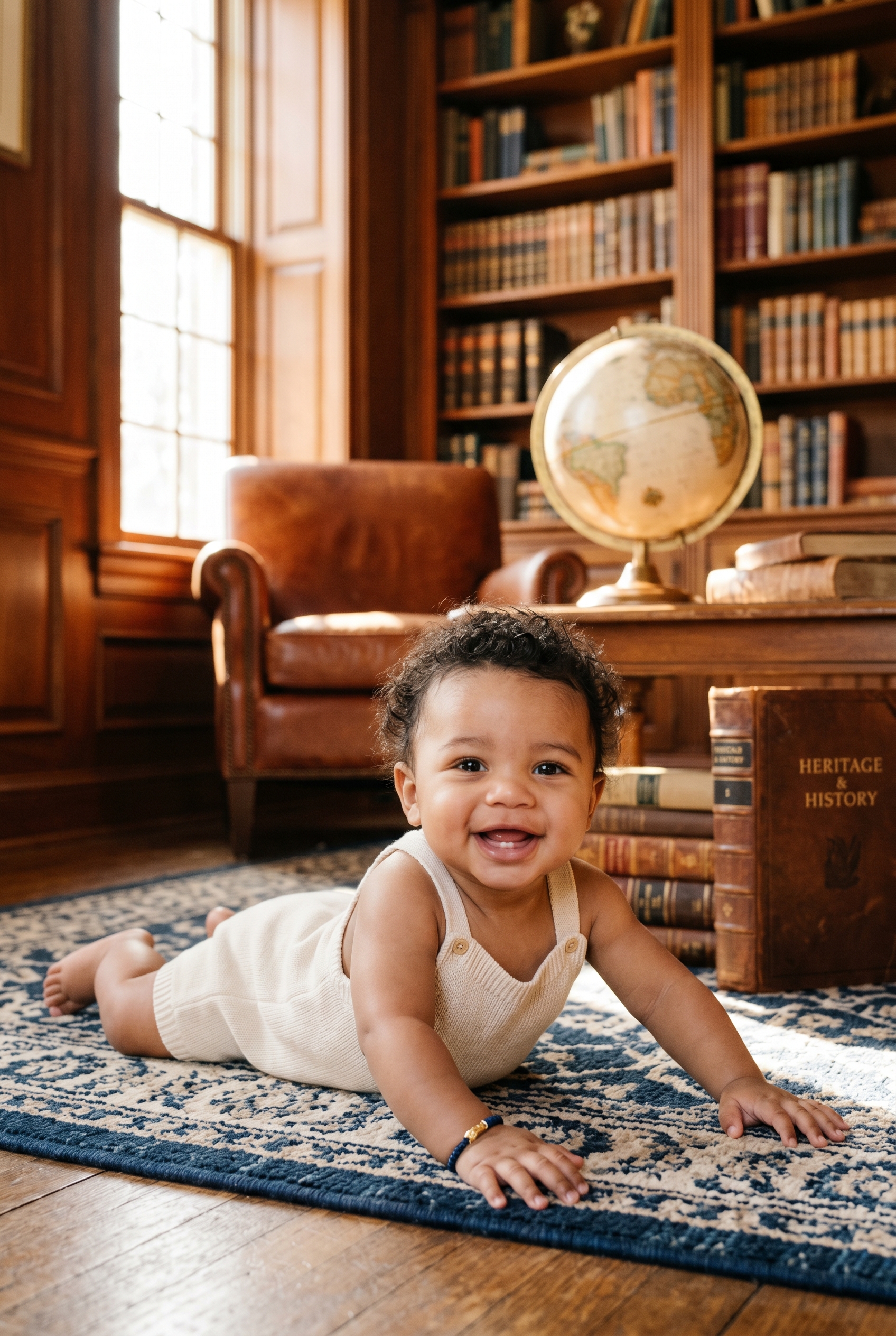
There’s a specific shorthand that happens when you hear a name like Prescott, Winslow, or Thatcher — a flash of navy blazers and lacrosse sticks, of monogrammed duffels and wood-paneled libraries, of families whose Christmas cards go out before Thanksgiving. Preppy boy names are their own dialect. They follow rules that sound unwritten but are actually very old: surnames elevated to first names, Latin roots worn casually, British place names dropped into American birth certificates like no one needs to explain them.
🔍 Curious how popular a name is?
Check any name's popularity trend since 1880 with our free Baby Name Popularity Checker.
When referencing popularity, I am referring to baby name data from Social Security Administration database in the United States for 2025, which is the most current year of data available.
Here’s what’s in store –
Classic WASP First Names — The Foundational Roster
Surnames-as-Firsts — The Ultimate Preppy Move
British Boarding School Imports
Roman and Classical Prestige Names
What makes a name read as “preppy” isn’t money, exactly — it’s patina. It’s the sense that the name has been worn by generations of people who took their time with things, who knew the difference between a sloop and a ketch, who had opinions about Harvard vs. Yale that their grandchildren still invoke at Thanksgiving. These names carry that unhurried confidence. They don’t try hard.
This list covers the full spectrum: the foundational WASP classics that anchored every St. Paul’s yearbook, the surnames-turned-first-names that signal old-family polish, the British boarding school imports that crossed the Atlantic centuries ago, the Southern gentlemen names with their double-barreled charm, the Latin and classical prestige names borrowed straight from the prep school motto, and the newer generation of names that feel contemporary while standing on a prep school foundation.
Whether you want Cornelius and mean every syllable of it, or you want something like Brooks that wears its old-money bones more quietly — there is a name in here that will look excellent on a monogrammed bag.
Classic WASP First Names — The Foundational Roster
These are the names you’d find in a 1955 Exeter or Choate yearbook — names that have been planted in New England soil since the Puritan settlements and never left. They carry weight without shouting.
- Origin: Germanic (via Anglo-Norman/Old French)
- Pronunciation: AHR-chuh-bawld · ˈɑːrtʃɪbɔːld
- Meaning: genuine and bold
- Popularity: #1174
“Archie” is the approachable everyday nickname, but the full form has serious crest-on-blazer gravitas.
- Origin: Old English (place name transferred to surname)
- Pronunciation: BRAD-ferd · ˈbrædfərd
- Meaning: broad ford (a wide river crossing)
- Popularity: #2994
William Bradford of the Mayflower gave this surname to American prestige from the very beginning.
- Origin: Old Persian (Wiktionary) or Aramaic (Wikipedia)
- Pronunciation: KAS-pur · ˈkæspər
- Meaning: treasurer, treasure-bearer
- Popularity: #879
- Origin: Latin (Roman gens name)
- Pronunciation: kor-NEEL-yus · kɔːrˈniːljəs
- Meaning: horn
- Popularity: #2150
Vanderbilt’s first name — unmistakably patrician and, these days, surprisingly warm.
- Origin: Old English
- Pronunciation: ED-mund · ˈɛdmənd
- Meaning: wealthy protector
- Popularity: #1182
Quietly aristocratic, literary (Shakespeare’s King Lear, Narnia), and genuinely underused.
- Origin: English (surname/place name, variant of Elsworth)
- Pronunciation: ELZ-wurth · ˈɛlzwərθ
- Popularity: #7155
- Origin: Latin (Medieval)
- Pronunciation: FRAN-sis · ˈfrænsɪs
- Meaning: a Frenchman/Frank; someone from France
- Popularity: #450
Classic Catholic prep school name; Frank or Frankie cuts the formality on the playground.
- Origin: English (from Anglo-Norman fraunclein)
- Pronunciation: FRANK-lin · ˈfræŋklɪn
- Meaning: a free landowner of non-noble rank (a “freeholder”)
- Popularity: #385
Presidential cadence; pairs beautifully with a crisp one-syllable middle name.
- Origin: German
- Pronunciation: FRED-rik · ˈfrɛdrɪk
- Meaning: peaceful ruler
- Popularity: #423
- Pronunciation: JEF-ree · ˈdʒɛfri
- Popularity: #3056
The British spelling adds extra polish; Geoff is the easy daily name.
- Origin: Old English (surname)
- Pronunciation: HOHL-din · ˈhoʊldən
- Meaning: hollow valley
- Popularity: #281
Salinger-coded and slightly literary-rebel, but the boarding school pedigree is undeniable.
- Origin: Germanic
- Pronunciation: HUM-free · ˈhʌmfri
- Meaning: peace-giver
- Popularity: #9298
Bogart made it cinematic; the original meaning makes it a name with moral seriousness.
- Origin: Latin (via Old French Laurent)
- Pronunciation: LOR-ens · ˈlɔːrəns
- Meaning: from Laurentum
- Popularity: #509
Scholarly and serious; Larry now carries a satisfying retro-cool energy.
- Origin: French/Latin
- Pronunciation: LY-uh-nel · ˈlaɪənəl
- Meaning: little lion
- Popularity: #561
- Origin: Norman French (place name, from a personal name)
- Pronunciation: munt-GUM-er-ee · mɒntˈɡʌməri
- Meaning: Gomeric’s hill
- Popularity: #1090
Monty as a nickname makes it instantly, happily wearable.
- Origin: Hebrew
- Pronunciation: nuh-THAN-yul · nəˈθænjəl
- Meaning: God has given
- Popularity: #144
Long-form elegance with serious New England literary roots (Nathaniel Hawthorne).
- Origin: Old English
- Pronunciation: AHZ-wald · ˈɑːzwəld
- Meaning: god + rule/power (“god’s rule”)
- Popularity: #2121
Literally translates from Old English as “god’s rule,” combining the roots for god and power.
- Origin: Old French (Arthurian, probably from Welsh/Celtic)
- Pronunciation: PUR-si-vul · ˈpɜːrsɪvəl
- Meaning: probably from the Welsh Arthurian name Peredur, reshaped in Old French to resemble ‘pierce’ + ‘valley’
- Popularity: #1768
Arthurian and aristocratic; Percy is charming in a rumpled-blazer sort of way.
- Origin: Old English (place name/surname)
- Pronunciation: PRES-kuht · ˈprɛskət
- Meaning: priest’s cottage
- Popularity: #3792
A Massachusetts and Connecticut surname that functions immediately as a distinguished first name.
- Origin: Germanic (via Latin)
- Pronunciation: REJ-i-nuhld · ˈrɛdʒɪnəld
- Meaning: counsel combined with rule or power, from Germanic elements
- Popularity: #1178
- Origin: Germanic (also anglicizes Gaelic Ruairidh and Welsh Rhydderch)
- Pronunciation: ROD-er-ik · ˈrɑːdərɪk
- Meaning: famous ruler
- Popularity: #1909
Rod or Rory as nicknames; the full name is a lot of name in the best possible way.
- Origin: Old English (place name / surname)
- Pronunciation: RUHTH-er-ferd · ˈrʌðərfərd
- Meaning: Old English for ‘ford used by cattle’ — a river crossing for driving cattle
- Popularity: #7642
President Hayes’s first name; nicknames to Rudy or Ford, both excellent.
- Origin: Greek (via Latin)
- Pronunciation: sih-BAS-chun · səˈbæstʃən
- Meaning: venerable or revered one, from the place name Sebaste
- Popularity: #14
Long established in British aristocracy; Seb is effortlessly cool.
- Origin: uncertain (Aramaic or Ancient Greek, disputed)
- Pronunciation: THAD-ee-us · ˈθædiəs
- Popularity: #850
Thad as a nickname has serious old-New England prep energy and is almost entirely unused.
- Origin: Old English (place name)
- Pronunciation: WINZ-loh · ˈwɪnzloʊ
- Meaning: Wine’s hill or burial mound, where Wine is an Old English personal name meaning ‘friend’
- Popularity: #1476
- Origin: Old English (place name)
- Pronunciation: WIN-stun · ˈwɪnstən
- Meaning: Wine’s farmstead — Old English ‘friend’ + ‘farm/village’
- Popularity: #405
Churchill’s name carries substance and gravitas — that’s just physics at this point.
- Pronunciation: WER-thing-tun · ˈwɜːrθɪŋtən
- Popularity: Rare
A mouthful in the best sense; Worth as a clean everyday short form.
- Origin: Scottish Gaelic (form of Alexander)
- Pronunciation: AL-ih-stair · ˈælɪstɛr
- Meaning: protector of men
- Popularity: #905
The Scottish form carries unmistakably upper-crust British-American weight.
Surnames-as-Firsts — The Ultimate Preppy Move
The cornerstone of preppy naming is using a family surname — grandmother’s maiden name, a storied ancestral name, or a New England place-name clan — as a first. It signals lineage. It says: we have a lot of names, and we intend to keep using them.
- Origin: English (occupational surname)
- Pronunciation: AB-ut · ˈæbət
- Meaning: servant of an abbot
- Popularity: #3680
Headmaster energy; short, crisp, and immediately distinctive.
- Pronunciation: BAN-krawft · ˈbæn.krɒft
- Popularity: Rare
Scholarly, slightly bookish, with deep New England college-town vibes.
- Origin: English/Irish surname (Anglo-Norman origin)
- Pronunciation: BAIR-it · ˈbɛrɪt
- Meaning: surname of disputed origin, linked to a root meaning ‘quarrelsome’ or to Old French for ‘trickery/deception’
- Popularity: #186
Irish-English surname that works beautifully as a prep school first name.
- Origin: English (surname)
- Pronunciation: BEK-it · ˈbɛkɪt
- Popularity: #166
Samuel Beckett association; literary plus prep is an unbeatable combination.
- Origin: French (surname, of disputed origin)
- Pronunciation: KAB-uht · ˈkæb.ət
- Popularity: #11119
The Boston First Families surname — Lodge-and-Cabot territory, as pure as it gets.
- Origin: English (place name/surname, Old English personal name + -ing + tūn)
- Pronunciation: KAIR-ing-tun · ˈkærɪŋtən
- Meaning: settlement of a named person’s people (place-name/surname transferred to given-name use, no independent lexical meaning)
- Popularity: #5313
- Origin: English (occupational surname)
- Pronunciation: KAR-ter · ˈkɑːrtər
- Meaning: one who drove/operated a cart (occupational surname)
- Popularity: #45
Presidential; now one of the most naturally worn surname-firsts in the country.
- Origin: English (occupational surname, from Old French chandelier, ‘candle maker’)
- Pronunciation: CHAND-lur · ˈtʃændlər
- Meaning: candle maker/seller
- Popularity: #738
Friends reference fades quickly; the occupational-surname pedigree is substantial.
- Origin: English (place name/surname)
- Pronunciation: DAWL-tun · ˈdɔːltən
- Meaning: valley settlement
- Popularity: #432
John Dalton, the chemist; clean, academic, and quietly distinguished.
- Origin: English (surname: ‘Emery’s son’, possibly Anglo-Saxon ‘Emar’s son’)
- Pronunciation: EM-ur-sun · ˈɛmərsən
- Meaning: son of Emery (or, per an alternate theory, Anglo-Saxon ‘Emar’s son’)
- Popularity: #151
Ralph Waldo association makes this feel transcendentally, genuinely preppy.
- Origin: Old English/Germanic (Eoforheard/Eberhard)
- Pronunciation: EV-er-et · ˈɛvərɪt
- Meaning: wild boar + hardy, brave (a Germanic compound name)
- Popularity: #85
- Origin: English (occupational surname)
- Pronunciation: FLETCH-er · ˈflɛtʃər
- Meaning: arrow maker
- Popularity: #564
Occupational surname with prep school athlete energy; a natural nickname is Fletch.
- Pronunciation: FORBZ · fɔːrbz
- Popularity: #12869
A distinguished Scottish clan surname that stands completely on its own.
- Origin: English
- Pronunciation: FORD · ˈfɔːrd
- Meaning: Originally a surname for someone who lived near a river ford, a shallow place where a river could be crossed.
- Popularity: #570
Crisp, one-syllable, powerful; Ford Madox Ford doubled it for full effect.
- Origin: English surname (patronymic ‘Garrett’ or Old French garison/garnison, uncertain which)
- Pronunciation: GAIR-ih-sən · ˈɡærɪsən
- Meaning: uncertain — either ‘son of Garrett’ (patronymic) or ‘a fortified place/troops’ (from Old French garison)
- Popularity: #1790
William Lloyd Garrison connection; activist-intellectual prep from day one.
- Origin: English or Irish (surname)
- Pronunciation: HAYZ · ˈheɪz
- Meaning: enclosure or brushwood (English); alternatively ‘descendant of Aodh’ via the Irish surname Ó hAodha
- Popularity: #160
Presidential, one syllable, deep American roots; pairs beautifully with almost anything.
- Origin: Old English (place name/surname)
- Pronunciation: HEN-lee · ˈhɛnli
- Meaning: high clearing
- Popularity: #956
The Royal Regatta town; this is one of the most instantly, irrefutably preppy names possible.
- Origin: English (surname)
- Pronunciation: HUD-suhn · ˈhʌdsən
- Meaning: patronymic surname, ‘son of Hud/Hudde’ (a medieval pet form of Hugh), later used as a given name
- Popularity: #22
The river, the bay, the explorer; classic New York prep in two syllables.
- Origin: English (surname)
- Pronunciation: JAY-mih-sin · ˈdʒeɪmɪsən
- Meaning: son of James
- Popularity: #117
A deeply serious prep school surname that wears easily as a first.
- Pronunciation: LANG-dun · ˈlæŋ.dən
- Popularity: #10453
Academic and distinguished; the Robert Langdon connection has only made it feel more literary.
- Origin: English/Scottish (surname)
- Pronunciation: LAW-sun · ˈlɔːsən
- Meaning: patronymic surname meaning ‘son of Lawrence’ (or, in some cases, an Americanized form of Scandinavian Larsen/Larsson)
- Popularity: #415
Clean two-syllable surname-first with an uncomplicated, grounded appeal.
- Origin: English (surname, variant of Mercier)
- Pronunciation: MER-ser · ˈmɜːrsər
- Meaning: merchant
- Popularity: #3072
An elegant occupational surname; Mercer Island, Mercer University, unmistakably east-coast-coded.
- Origin: Scottish/Irish (surname)
- Pronunciation: mun-ROH · mənˈroʊ
- Meaning: connected to the River Roe in Ulster – most likely ‘mouth of the Roe river,’ though one source parses it as ‘man of the River Roe’
- Popularity: #571
Presidential and surprisingly versatile for a boy’s name today.
- Origin: Old English
- Pronunciation: PAR-kur · ˈpɑːrkər
- Meaning: an occupational surname for a gamekeeper or park-keeper
- Popularity: #97
Dorothy Parker’s surname; literary and prep in equal, satisfying measure.
- Origin: Old English (surname)
- Pronunciation: PAK-stun · ˈpækstən
- Meaning: Settlement of a person named Pæcc (Old English) + tūn ‘town’
- Popularity: #288
English place-name surname with a clean, easy cadence.
- Origin: English (surname/place name)
- Pronunciation: PEN · ˈpɛn
- Meaning: as a surname, either ‘an enclosure’ or, from a Celtic place-name root, ‘hilltop/head’
- Popularity: #2978
William Penn founded Pennsylvania; one syllable, powerful, weighted with history.
- Origin: Old French (occupational surname)
- Pronunciation: POR-ter · ˈpɔːrtər
- Meaning: one who carries goods, or a doorkeeper/gatekeeper
- Popularity: #615
Cole Porter’s surname; musical and prep; a name with excellent dinner-party cadence.
- Origin: Old English (place name)
- Pronunciation: PRESS-tun · ˈprɛstən
- Meaning: priests’ town or settlement
- Popularity: #329
Preston Sturges; golden-age Hollywood pedigree layered over English place-name bones.
- Origin: English (occupational surname)
- Pronunciation: THATCH-er · ˈθætʃər
- Meaning: a person who thatches roofs
- Popularity: #1037
The Iron Lady made this surname famous; as a first name it reads rugged English prep.
- Origin: Old English (surname)
- Pronunciation: WIT-muhn · ˈwɪtmən
- Meaning: descriptive surname meaning ‘white man’ — a fair-haired or fair-skinned man
- Popularity: #4174
Walt Whitman’s surname; literary, American, and quietly distinguished as a first.
- Origin: Old English (place name/surname)
- Pronunciation: WES-tun · ˈwɛstən
- Meaning: western settlement or town
- Popularity: #70
Directional English place name; clean, confident, and very wearable.
British Boarding School Imports
East Coast American prep schools adopted heavily from Eton, Harrow, and Winchester — names that crossed the Atlantic in the 17th and 18th centuries and never looked back. These names carry a slightly formal British register that reads as distinguished rather than stuffy.
- Origin: Old French (nickname/surname)
- Pronunciation: AL-jer-nun · ˈældʒərnən
- Meaning: having a mustache
- Popularity: #12275
Algy is the Wilde nickname (The Importance of Being Earnest); impossibly posh in the most charming way.
- Origin: Aramaic (medieval English vernacular form of Barnabas)
- Pronunciation: BAR-nuh-bee · ˈbɑːrnəbi
- Meaning: son of the prophet
- Popularity: #9996
Dickens’s Barnaby Rudge; Barney is warm and easy; the full name is perfectly dignified.
- Origin: Latin / Welsh (two converging origins)
- Pronunciation: SES-il · ˈsɛsəl
- Meaning: blind (from Latin Caecilius); or, via the Welsh surname Seisyllt, ‘sixth’
- Popularity: #1479
The Roman Caecilius family name; Downton Abbey ambiance without the dust.
- Origin: Germanic
- Pronunciation: CHARLZ · ˈtʃɑːrlz
- Meaning: free man
- Popularity: #51
Royal, eternal, and completely beyond trend; Charlie works at every age.
- Origin: Latin
- Pronunciation: KRIS-pin · ˈkrɪspɪn
- Meaning: curly-haired
- Popularity: #6893
Saint Crispin’s Day speech; extremely rare in the US, which makes it instantly distinctive.
- Origin: Irish (surname)
- Pronunciation: DEZ-mund · ˈdɛzmənd
- Meaning: a man from South Munster (from the Irish surname Ó Deasmhumhnaigh)
- Popularity: #368
Des is the easy nickname; the full name reads British-Irish aristocracy with ease.
- Origin: Latin
- Pronunciation: FAY-bee-un · ˈfeɪbiən
- Meaning: belonging to the Fabius family; Fabius itself is traditionally linked to Latin faba, bean
- Popularity: #442
An ancient Roman family name; rare enough to be genuinely distinctive.
- Origin: Germanic (via Spanish)
- Pronunciation: FUR-din-and · ˈfɜːrdɪnænd
- Meaning: daring journey
- Popularity: #3902
Shakespeare’s The Tempest gave this name a literary halo; Ferdie is an underrated nickname.
- Origin: Hebrew
- Pronunciation: GID-ee-un · ˈɡɪdiən
- Meaning: hewer, feller (one who cuts down trees)
- Popularity: #331
The British upper class has used this Biblical name for centuries; now feeling fresh again.
- Origin: Germanic, via Old French/Norman
- Pronunciation: GIL-bert · ˈɡɪlbərt
- Meaning: bright pledge (or ‘bright hostage’)
- Popularity: #1394
Gil as a nickname; Gilbert Osmond in Henry James’s Portrait of a Lady — insufferable character, excellent name.
- Origin: Old High German / Old French
- Pronunciation: GOD-free · ˈɡɒdfri
- Meaning: God’s peace
- Popularity: #10205
Very old English; underused to the point of feeling genuinely new.
- Origin: Old English / Old Norse (Germanic)
- Pronunciation: HAIR-uld · ˈhɛrəld
- Meaning: army ruler, military power
- Popularity: #988
- Origin: Latin (via Italian, from the Roman gens name Horatius)
- Pronunciation: huh-RAY-shee-oh · həˈreɪʃioʊ
- Meaning: uncertain; possibly connected to ‘hour’ (a proposed ‘timekeeper’ sense)
- Popularity: #9296
Hornblower, Hamlet’s loyal friend; a completely serious prep name.
- Origin: Germanic (Latinized form of Hugh)
- Pronunciation: HYOO-goh · ˈhjuːɡoʊ
- Meaning: mind, thought
- Popularity: #403
German in origin, fully adopted by British aristocracy; sleek and decidedly modern.
- Origin: Basque
- Pronunciation: IN-ih-go · ˈɪnɪɡoʊ
- Popularity: #9308
Inigo Jones, the architect of the Banqueting House; rare, immediately striking, slightly Wes Anderson.
- Pronunciation: JOSS-lin · ˈdʒɒslɪn
- Popularity: #3237
Old Norman name; rare enough to genuinely stop conversation.
- Origin: Old English (place name)
- Pronunciation: KINGZ-lee · ˈkɪŋzli
- Meaning: king’s wood, clearing, or meadow
- Popularity: #984
Charles Kingsley association; a surname-as-first with monarchic overtones.
- Origin: Germanic
- Pronunciation: LEE-uh-pold · ˈliːəpoʊld
- Meaning: bold/brave people
- Popularity: #2082
Leo as an excellent nickname; slightly continental but fully adopted by British aristocracy.
- Origin: Scottish Gaelic
- Pronunciation: MAL-kum · ˈmælkəm
- Meaning: devotee/servant of Saint Columba
- Popularity: #314
- Origin: Medieval Latin (used to Latinize Niall/Neil)
- Pronunciation: NY-jul · ˈnaɪdʒəl
- Meaning: somewhat black, dark
- Popularity: #2200
Deeply British classic; rare enough in America to feel sophisticated rather than foreign.
- Origin: disputed (Ancient Greek / Hebrew / Egyptian)
- Pronunciation: FIN-ee-us · ˈfɪniəs
- Popularity: #1538
Phin or Finn as nicknames; a deeply literary, distinctive prep name that’s due for a revival.
- Origin: Latin
- Pronunciation: KWEN-tin · ˈkwɛntɪn
- Meaning: fifth
- Popularity: #788
Literary (Faulkner’s Quentin Compson, Quentin Blake); the ordinal origin adds an old-family feeling.
- Origin: German/Germanic (English form of Ruprecht, related to Robert)
- Pronunciation: ROO-pert · ˈruːpərt
- Meaning: shining renown
- Popularity: #3863
Prince Rupert; extremely British upper class, rarely used in the United States.
- Origin: Celtic (Pictish/Brythonic, via Arthurian legend)
- Pronunciation: TRIS-tun · ˈtrɪstən
- Meaning: tumult, riot
- Popularity: #267
Arthurian legend; Cornwall and Cornwall-on-Hudson; waves crashing on a prep school boathouse.
- Origin: Latin
- Pronunciation: VAL-en-tyne · ˈvæləntaɪn
- Meaning: strong, healthy
- Popularity: #2467
The saint’s name used as a first name in old British families long before it became a holiday.
Southern Old-Money Gentlemen
Below the Mason-Dixon line, old-money naming has its own grammar — plantation surnames, Civil War generals, double first names, and a particular fondness for names that carry their own weather system.
- Origin: French (place name/surname)
- Pronunciation: BOH-ruh-gard · ˈboʊrəɡɑːrd
- Meaning: beautiful view (from French ‘beau, ‘ beautiful, + ‘regard, ‘ look/outlook)
- Popularity: #3043
General P.G.T. Beauregard; New Orleans Creole aristocracy; Beau is the perfect everyday nickname.
- Origin: English (habitational surname)
- Pronunciation: BRAK-stun · ˈbrækstən
- Meaning: surname from the Northumberland village of Branxton, popularly glossed as ‘badger’s town’
- Popularity: #170
Southern surname-as-first with serious old-family resonance along the Carolina coast.
- Pronunciation: BREK-in-rij · ˈbrɛkənˌrɪdʒ
- Popularity: Rare
- Pronunciation: kar-LYLE · kɑːrˈlaɪl
- Popularity: #3271
Distinguished English city name carried south by Scots-Irish settlers.
- Origin: Old English (surname)
- Pronunciation: KLAY-tun · ˈkleɪtən
- Meaning: clay settlement
- Popularity: #317
Clean and grounded; worn in old Georgia and South Carolina families for generations.
- Origin: English (surname, occupational or patronymic)
- Pronunciation: KOHL-mun · ˈkoʊlmən
- Meaning: charcoal-burner, or patronymic form of Colman (‘dove’)
- Popularity: #1279
Irish-Southern crossover; common in old Charleston families.
- Pronunciation: KUV-ing-tuhn · ˈkʌvɪŋtən
- Popularity: Rare
Kentucky place-name surname with deep Southern prep resonance.
- Origin: Old English (Scottish surname/place name)
- Pronunciation: KRAW-ferd · ˈkrɔːfərd
- Meaning: crow’s ford — a river crossing frequented by crows
- Popularity: #2557
Old-family Georgia and South Carolina; clean and dignified.
- Origin: Scottish Gaelic (surname/place name)
- Pronunciation: KUL-in · ˈkʌlɪn
- Meaning: holly (from Gaelic ‘cuilinn, ‘ holly, also a town in Moray, Scotland)
- Popularity: #1129
Irish-Southern crossover; spare, cool, and entirely wearable.
- Origin: English (surname)
- Pronunciation: DAY-vis · ˈdeɪvɪs
- Meaning: patronymic surname meaning ‘son of David’
- Popularity: #645
Jefferson Davis made this a Southern first name; it carries its own weight now.
- Origin: Irish
- Pronunciation: DON-uh-vun · ˈdɑːnəvən
- Meaning: descendant of the dark-haired one
- Popularity: #504
Irish-Southern aristocratic; Don is the easy nickname but Donovan deserves the full ride.
- Origin: Hebrew
- Pronunciation: ih-LY-jah · ɪˈlaɪdʒə
- Meaning: my God is Yahweh
- Popularity: #8
Biblical with serious old-South resonance; Eli is the prep school nickname hiding inside it.
- Origin: English
- Pronunciation: FOR-ist · ˈfɔːrɪst
- Meaning: One who lived or worked near a forest, originally a wooded area reserved for hunting; from the English surname.
- Popularity: #407
A deeply Southern old-money name; the pop-culture association has faded enough to reclaim it.
- Origin: Irish
- Pronunciation: GRAY-dee · ˈɡreɪdi
- Meaning: from Irish Ó Grádaigh, meaning ‘noble’ or ‘renowned’
- Popularity: #370
Henry Grady of the Atlanta Constitution; Georgia journalism aristocracy.
- Origin: English (contraction of Harland, Old English)
- Pronunciation: HAR-lin · ˈhɑːrlən
- Meaning: grey land, or hare’s land
- Popularity: #666
Justice Harlan (two of them); Kentucky old-money through and through.
- Origin: English/Germanic (topographic surname)
- Pronunciation: HOHLT · ˈhoʊlt
- Meaning: a small wood or copse
- Popularity: #1920
One-syllable Southern prep; sharp and clean and immediately likable.
- Origin: English (patronymic surname)
- Pronunciation: JEF-ur-sun · ˈdʒɛfərsən
- Meaning: son of Jeffrey
- Popularity: #711
Thomas Jefferson; the ultimate Southern presidential first name.
- Origin: Irish Gaelic (surname)
- Pronunciation: LEE-land · ˈliːlənd
- Meaning: son of a servant of Saint Faolán (a name meaning ‘little wolf’)
- Popularity: #547
Stanford namesake; California money married to Southern grace.
- Origin: English (place name/surname)
- Pronunciation: LAY-tun · ˈleɪtən
- Meaning: leek/herb-garden settlement
- Popularity: #395
Uncommon prep school surname-as-first with a soft Southern lilt.
- Origin: English (place name/surname)
- Pronunciation: LIV-ing-stun · ˈlɪvɪŋstən
- Meaning: Leving’s estate/town
- Popularity: #7415
- Origin: English (occupational surname)
- Pronunciation: PAH-mer · ˈpɑːmər
- Meaning: a palm-bearer; a pilgrim who had visited the Holy Land, carrying a palm frond as proof
- Popularity: #258
Palm Beach energy; clean, distinguished, country-club-coded without being stiff.
- Origin: Old French/Middle English (occupational surname)
- Pronunciation: SUM-ner · ˈsʌmnər
- Meaning: occupational surname for a summoner, an officer who called people to appear in ecclesiastical court
- Popularity: #6762
Senator Sumner; crosses the New England/Southern divide naturally.
- Origin: English (Middle English patronymic surname)
- Pronunciation: TEN-ih-suhn · ˈtɛnɪsən
- Meaning: son of Dennis
- Popularity: #3872
The poet’s surname; literary and distinguished used as a first in old Southern families.
- Origin: Old English (place name)
- Pronunciation: WHIT-feeld · ˈwɪtfiːld
- Meaning: white (open) field
- Popularity: #9794
Old Georgia county name; clean and strong as a first name.
- Origin: Old English/Old Norse (place name)
- Pronunciation: WIL-uh-bee · ˈwɪləbi
- Meaning: willow settlement or farm — a place where willow trees grew
- Popularity: #10194
Jane Austen’s charming (if unreliable) surname; a Southern prep darling waiting to happen.
Roman and Classical Prestige Names
Prep schools love Latin — it’s on the school motto, carved above the chapel door, and increasingly on the birth certificate. These names carry the weight of empire, philosophy, and two thousand years of Western education.
- Origin: Latin (place name Hadria)
- Pronunciation: AY-dree-un · ˈeɪdriən
- Popularity: #72
Emperor Hadrian’s name; the clean opening vowel and classical pedigree make it permanently elegant.
- Origin: Greek (via Latin)
- Pronunciation: AM-brohz · ˈæmbroʊz
- Meaning: immortal, divine (belonging to the immortals)
- Popularity: #741
Saint Ambrose of Milan; the British clergy and aristocracy adopted it heavily; Amby is an underrated nickname.
- Origin: Latin
- Pronunciation: aw-REE-lee-əs · ɔːˈriːliəs
- Meaning: golden one
- Popularity: #1118
Marcus Aurelius; the Stoic emperor’s name has Stoic-prep crossover appeal unlike any other.
- Origin: Latin
- Pronunciation: aw-GUS-tus · ɔːˈɡʌstəs
- Meaning: majestic and venerable
- Popularity: #408
Gus as a nickname is disarming and warm; the full form is Roman senator gravitas.
- Origin: Latin (Roman family name)
- Pronunciation: KASH-us · ˈkæʃəs
- Popularity: #567
Muhammad Ali was born Cassius Clay; the name carries boxing, Roman Senate, and prep school all at once.
- Origin: Latin (Roman cognomen); also a Scandinavian matronymic form of Catherine
- Pronunciation: KAY-toh · ˈkeɪtoʊ
- Meaning: wise, shrewd, clever (Latin ‘catus’)
- Popularity: #3048
The Roman censor’s name; a name of intellectual austerity that wears surprisingly well today.
- Pronunciation: SIS-ə-roh · sɪsəɹoʊ
- Popularity: #12638
The greatest Roman orator; Cico as a nickname; uncommon to the point of being completely your own.
- Origin: Latin
- Pronunciation: KLEM-ent · ˈklɛmənt
- Meaning: merciful
- Popularity: #2260
- Origin: Greek
- Pronunciation: ih-VAN-der · ɪˈvændər
- Meaning: good man
- Popularity: #771
Greek hero who founded a city on the Palatine Hill; rare, mythological, and strong.
- Pronunciation: FAY-bee-us · ˈfeɪbiəs
- Popularity: Rare
The Roman general who invented the Fabian strategy; Fab is a casual nickname you could actually use.
- Origin: Latin
- Pronunciation: FEE-liks · ˈfiːlɪks
- Meaning: happy, fortunate, lucky
- Popularity: #177
Derives from the Latin word felix, meaning happy, fortunate, or lucky.
- Origin: Latin (origin uncertain)
- Pronunciation: JOOL-yus · ˈdʒuːljəs
- Meaning: youthful, downy-bearded (traditional gloss); origin is actually uncertain, possibly ‘devoted to Jove’
- Popularity: #389
- Origin: Latin
- Pronunciation: JUS-tus · ˈdʒʌstəs
- Meaning: just, fair, righteous
- Popularity: #1807
Saint Justus; short and morally serious in a way that feels earned.
- Origin: Latin
- Pronunciation: LOO-shəs · ˈluːʃəs
- Meaning: light
- Popularity: #1385
Roman senator energy; rare in the US while Lucy and Luca have soared; completely distinctive.
- Origin: Latin (adopted via Scandinavian/Scottish royal usage)
- Pronunciation: MAG-nus · ˈmæɡnəs
- Meaning: great (Latin ‘magnus’), adopted as a name via Charlemagne’s title
- Popularity: #749
- Origin: Latin
- Pronunciation: MAR-kus · ˈmɑːrkəs
- Meaning: dedicated to Mars; ‘warlike’
- Popularity: #256
Mark is the easy form, but Marcus carries centuries of Roman weight that Mark simply doesn’t.
- Origin: Latin
- Pronunciation: MAK-suh-mus · ˈmæksəməs
- Meaning: greatest
- Popularity: #330
- Origin: Latin (Octāvianus, from Octāvius)
- Pronunciation: ok-TAY-vee-un · ɑːkˈteɪviən
- Meaning: eighth
- Popularity: #2270
- Origin: Latin (Roman/Sabine praenomen)
- Pronunciation: TY-tus · ˈtaɪtəs
- Meaning: uncertain — ancient sources give either ‘honorable’ or ‘of the giants’ (linked to the Titans)
- Popularity: #383
Short, powerful, New Testament; increasingly used in literary-prep circles.
- Origin: Hebrew
- Pronunciation: toh-BY-us · toʊˈbaɪəs
- Meaning: ‘God is good’ (Hebrew Toviyah: ‘good’ + short form of Yahweh)
- Popularity: #280
Tobias Smollett, the novelist; Toby is a charming nickname with a long literary pedigree.
- Origin: Latin
- Pronunciation: vuh-LEER-ee-un · vəˈlɪəriən
- Meaning: strength, health (from Latin valere, ‘to be strong’)
- Popularity: #6137
Emperor Valerian; rarer than Valentine, more distinguished, an easy conversation starter.
- Origin: Latin (Roman cognomen, root disputed)
- Pronunciation: veh-SPAY-zhun · vɛˈspeɪʒən
- Popularity: Rare
Emperor Vespasian funded the Colosseum; an extremely bold, very rare classical choice.
- Origin: Latin (Roman clan name)
- Pronunciation: VUR-jil · ˈvɜːrdʒɪl
- Popularity: #1542
The poet of the Aeneid; literary, serious, and almost entirely unused today.
- Origin: Latin (Roman place name)
- Pronunciation: HAY-dree-un · ˈheɪdriən
- Meaning: from Hadria (an ancient Italian town)
- Popularity: #2835
Emperor who built the wall; the full form of Adrian carries even more ancient weight.
New Prep — Modern Names With Old-Money Bones
These names feel current — you’d hear them in a 2025 nursery at a weekend house in Connecticut — but they’re built on the same prep school foundations. They fit a generation that mixes J.Crew with vintage Brooks Brothers.
- Origin: English/Scottish (patronymic and place-name surname)
- Pronunciation: AN-der-sun · ˈændərsən
- Meaning: son of Andrew (patronymic), or alternatively from the place-name Anderston (‘Andrew’s town’)
- Popularity: #356
CNN anchor aside, this surname-as-first reads clean, modern, and quietly authoritative.
- Origin: English (occupational surname)
- Pronunciation: AR-chur · ˈɑːrtʃər
- Meaning: bowman
- Popularity: #115
Occupational surname-as-first with the rakish energy of the FX show wearing off pleasantly.
- Origin: Latin
- Pronunciation: AW-gust · ˈɔːɡəst
- Meaning: venerable, majestic
- Popularity: #88
The short form of Augustus; feels distinctly current while carrying ancient weight.
- Origin: English (surname)
- Pronunciation: BROOKS · ˈbrʊks
- Meaning: one who lived near a brook
- Popularity: #67
The Brooks Brothers association is impossible to ignore, but that’s entirely the point.
- Origin: English (occupational surname)
- Pronunciation: KOO-per · ˈkuːpər
- Meaning: barrel maker
- Popularity: #50
Gary Cooper’s surname; mainstream now but it got there via prep school, not the other way.
- Origin: Welsh (via the place name Crewe, Cheshire)
- Pronunciation: KROO · ˈkruː
- Meaning: weir — a river dam or fish-trap
- Popularity: #250
Rowing-team association; new-prep in the most distilled possible form.
- Origin: Old English (place name)
- Pronunciation: EE-stun · ˈiːstən
- Meaning: eastern settlement
- Popularity: #103
- Origin: Welsh and English (dual-origin surname)
- Pronunciation: EL-is · ˈɛlɪs
- Meaning: benevolent, kind (Welsh); alt. English form of Elias/Elijah
- Popularity: #273
Ellis Island name that now reads as a distinguished Welsh-aristocratic prep first name.
- Origin: Irish or Old Norse
- Pronunciation: FIN · ˈfɪn
- Meaning: fair (Irish) or Sami/Finn (Norse)
- Popularity: #198
Fionn mac Cumhaill, the Irish hero; three letters, works in any room, any class.
- Origin: English (surname)
- Pronunciation: GRAY-suhn · ˈɡreɪsən
- Meaning: ‘(son) of the steward’ (Middle English greyve)
- Popularity: #48
Batman’s Robin aside, this is a strong old-money surname-as-first.
- Origin: English (from Old English hǣþ)
- Pronunciation: HEETH · ˈhiːθ
- Meaning: heathland; open, shrubby moorland
- Popularity: #848
One clean syllable; the English country estate in a single word.
- Origin: Dutch (place name)
- Pronunciation: HAH-lund · ˈhɑːlənd
- Meaning: wooded land
- Popularity: #602
European country as first name; increasingly used and immediately distinctive.
- Origin: English (occupational surname)
- Pronunciation: HUN-ter · ˈhʌntər
- Meaning: one who hunts
- Popularity: #128
Goes with a yellow lab and a pair of wellies; the occupational surname perfected.
- Origin: Scottish/Old English (surname and place name)
- Pronunciation: NOKS · ˈnɑːks
- Meaning: small hill with a rounded top
- Popularity: #209
John Knox the reformer; one syllable, powerful, no soft edges.
- Pronunciation: LEK-sing-tən · ˈlɛksɪŋtən
- Popularity: #3559
The Massachusetts battle site as a first name; an ambitious, confident, very American choice.
- Origin: English (surname)
- Pronunciation: MIL-er · ˈmɪlər
- Meaning: one who grinds grain
- Popularity: #438
Occupational surname-as-first; carries more old-money weight than its common usage suggests.
- Origin: English (surname)
- Pronunciation: NASH · ˈnæʃ
- Meaning: dweller by the ash tree
- Popularity: #240
One syllable, surname-as-first, clean and contemporary.
- Origin: English (surname, multiple disputed origins)
- Pronunciation: REED · ˈriːd
- Meaning: a surname of debated origin: ‘red-haired’ (variant of Reid), a clearer of land, or a place name — not the reed plant
- Popularity: #421
One syllable, clean; a surname quietly used as a first name for a century.
- Origin: Dutch (anglicized surname)
- Pronunciation: RET · ˈrɛt
- Meaning: advice or counsel, from a Dutch surname (de Raedt)
- Popularity: #174
Margaret Mitchell’s choice for her hero; Southern prep with a Continental overlay.
- Origin: English/Greek (dual origin)
- Pronunciation: ROHDZ · ˈroʊdz
- Meaning: as an English surname, ‘one who lived near a woodland clearing’; also the Greek island Rhodes, whose own name origin is uncertain
- Popularity: #613
The island, the scholarship, the trust fund energy; a name that carries its own aspirational halo.
- Origin: Irish (surname, Ó Súilleabháin)
- Pronunciation: SUL-ih-vun · ˈsʌlɪvən
- Meaning: descendant of the ‘dark-eyed one’
- Popularity: #339
Irish surname with long prep school crossover history; Sully is the warm everyday form.
- Origin: Old English (surname)
- Pronunciation: WELZ · ˈwɛlz
- Meaning: dweller by the springs or wells
- Popularity: #376
H.G. Wells; the place-name surname as a fresh, clean first name.
- Origin: English (surname/word name)
- Pronunciation: WEST · ˈwɛst
- Meaning: from the west; dweller in the west
- Popularity: #1338
Bold, directional, one syllable; the surname-as-first in its most minimal form.
Preppy Nicknames That Stand Alone
This is the subset of preppy naming that operates entirely on its own rules. These names started as nicknames — for William, Charles, Edward, Reginald — but have been used as stand-alone first names in prep school families long enough to own the territory.
- Origin: English (diminutive)
- Pronunciation: CHIP · ʧɪp
- Meaning: a pet form of Christopher or Charles; also a nickname for a son who shares his father’s name (as in ‘a chip off the old block’)
- Popularity: #3272
The quintessential prep school first-name nickname; worn by multiple generations without irony.
- Origin: German
- Pronunciation: FRITS · ˈfrɪts
- Meaning: peaceful ruler
- Popularity: #2530
- Origin: English (nickname, multiple source names); also a Ukrainian-derived name meaning ‘tomcat’
- Pronunciation: KIT · ˈkɪt
- Meaning: depends on the full name: ‘bearer of Christ’ (short for Christopher); popularly ‘pure’ when short for Katherine/Kathleen (though Katherine’s own etymology is actually uncertain)
- Popularity: #1150
Male Kit is Christopher’s rakish short form; British aristocracy’s casual register.
- Origin: English (nickname)
- Pronunciation: NED · nɛd
- Popularity: #7567
- Pronunciation: REG · rɛɡ
- Popularity: #6844
Genuinely rare as a stand-alone name; has a vintage British-prep quality.
- Pronunciation: SKIP · skɪp
- Popularity: #6757
Summer-house, sailing, New England; an irrepressibly cheerful prep school name.
- Pronunciation: TAD · tæd
- Popularity: #7657
Tad as a stand-alone first name has serious old-New England prep credentials.
- Origin: Middle English/Old French (from Latin tres)
- Pronunciation: TRAY · ˈtreɪ
- Meaning: three; traditionally a nickname for a third-generation namesake
- Popularity: #789
The third; a name that announces you are the third generation of something worth continuing.
- Pronunciation: WHIT · wɪt
- Popularity: #2110
Whitney used as Whit for boys; sharp, uncommon, quietly distinguished.
- Pronunciation: WIN · wɪn
- Popularity: #9796
A prep school nickname name so clean it could only come from New England.
How to Choose a Name From This List
The sheer volume here can make this harder, not easier. So start with one question: do you want a name that announces itself, or one that whispers? Cornelius and Rutherford announce. Brooks and Hayes whisper. Neither is better — but the answer shapes everything.
Think about how the name wears across a life. Chip is endearing at six and still works at sixty because prep school energy is ageless. Algernon is a lot of name at six, but at forty, in a courtroom, it’s extraordinary. Consider where the name is being worn.
Consider the nickname landscape. One of the hidden advantages of longer prep school names is the embedded options: Frederick gives you Fred, Fritz, and Rick. Nathaniel gives you Nate, Nat, and Nathan. Reginald gives you Reg, Reggie, and the full name for formal occasions. You’re not choosing one name — you’re choosing a family of names.
Look at your surname. Surname-as-first names work best when there’s some distance from the last name: Parker Williams lands differently than Parker Parkins. Classical Latin names pair beautifully with short Anglo-Saxon surnames. British place names need a surname with some gravity to hold them up.
Finally: say it out loud, full name, quickly. These names were built for announcements — lacrosse rosters, honor rolls, wedding toasts. If it sounds right said fast and formal, it will serve your child well.
Name Art for Your Favorite
Love a name from this list? MinimalistMama offers custom Name Art prints — personalized, minimalist nursery art with the name you choose, designed to match your aesthetic. A perfect gift for baby showers or to hang above the crib.
Frequently Asked Questions
What makes a boy’s name “preppy”?
Preppy boy names tend to share a few characteristics: they often have Anglo-Saxon, Norman French, Latin, or Greek roots that signal long use in English-speaking aristocratic families; they’re frequently surnames used as first names (signaling old family lineage); they tend to have natural nicknames for everyday use alongside more formal full names; and they carry a kind of unhurried confidence — they don’t follow trends so much as ignore them entirely.
Are preppy boy names old-fashioned?
Some are genuinely old-fashioned in the best sense (Reginald, Cornelius, Algernon) and work precisely because of that contrast — a baby named Cornelius in 2026 has a very distinctive name. Others on this list (Brooks, Knox, Finn, August) are fully contemporary while still carrying old-money prep school bones. The spectrum is wide enough to find both.
What are some preppy boy names that aren’t overused?
For genuinely rare options with serious preppy credentials, consider: Thaddeus (Thad), Algernon (Algy), Phineas (Phin), Winslow, Rupert, Inigo, Cornelius, Evander, Crispin, and Worthington (Worth). These names have the full prep school pedigree but are used rarely enough that your child will almost certainly be the only one in their class.
What are the most popular preppy boy names right now?
As of 2026, the preppy names with the most mainstream traction include: Oliver, Henry, Theodore, August, Sebastian, Felix, Julian, Brooks, Hunter, and Graham. These carry old-money bones but have moved into the broader Top 100 — so they read as preppy without being unusual.
Do preppy boy names work with any last name, or do they need a certain kind of surname?
Most preppy names are flexible, but there are a few guidelines worth knowing. Surname-as-first names work best when the first and last names don’t share roots or sound patterns (Fletcher Williams is fine; Fletcher Fletcher is not). Long classical names like Augustus or Cornelius pair particularly well with short, one-syllable surnames. Very short names like Knox or Penn can hold their own with almost any last name. The main thing to check is the full-name rhythm — say it quickly, as if it’s being read off a roster.
What’s a good preppy middle name to pair with a more common first name?
This is actually a very good use for some of the more elaborate names on this list. Henry Algernon, James Cornelius, William Rutherford, Oliver Prescott — the preppy middle name gives the full name distinction and family history without burdening the child with a daily name that requires constant spelling. It’s a very traditional approach in old-money families, and it works beautifully.
Are there preppy boy names that work for brothers or siblings?
Yes — and prep school families have been doing this for generations. Some strong sibling pairings: Graham and Hayes (one-syllable surnames-as-firsts), Augustus and Cornelius (Latin prestige names), Beckett and Fletcher (occupational surnames), Sebastian and Julian (classical European names), Winslow and Prescott (New England place names). The key is to pick names from the same “register” — two classical Latin names feel cohesive in a way that one classical name and one modern nickname name doesn’t.
📊 Curious how popular a name actually is? Look it up in our Baby Name Popularity Checker — pulls live SSA data to show ranking trends.
Final Thoughts
A preppy boy name is not about trying to signal something. The best ones — whether that’s a four-syllable Roman senator’s name or a one-syllable New England surname — carry their own assurance. They’ve been worn well by enough people over enough generations that they don’t need explaining. Whatever name from this list catches you, the one that sounds right said out loud in a kitchen on a Saturday morning: trust that feeling. A name worn with confidence becomes its own thing entirely.
Read next; 👦 200+ Southern Boy Names With Charm and Grit 👦 200+ Classic Boy Names That Never Go Out of Style 👦 200+ Tomboy Girl Names That Are Strong and Spirited
📱 The Baby Names app is here
Swipe names, match with your partner the moment you both say yes, and claim a free Name Art print of your winner. Free to download. See all our apps →

✨ Love these names? Create free printable nursery art for any name →